For riders
Motorcycle Crashes in San Angelo and on Concho Valley Roads
Riders face real risks from drivers who do not see them and from insurers who assume the biker was at fault. Here is how to push back on both.
In this guide
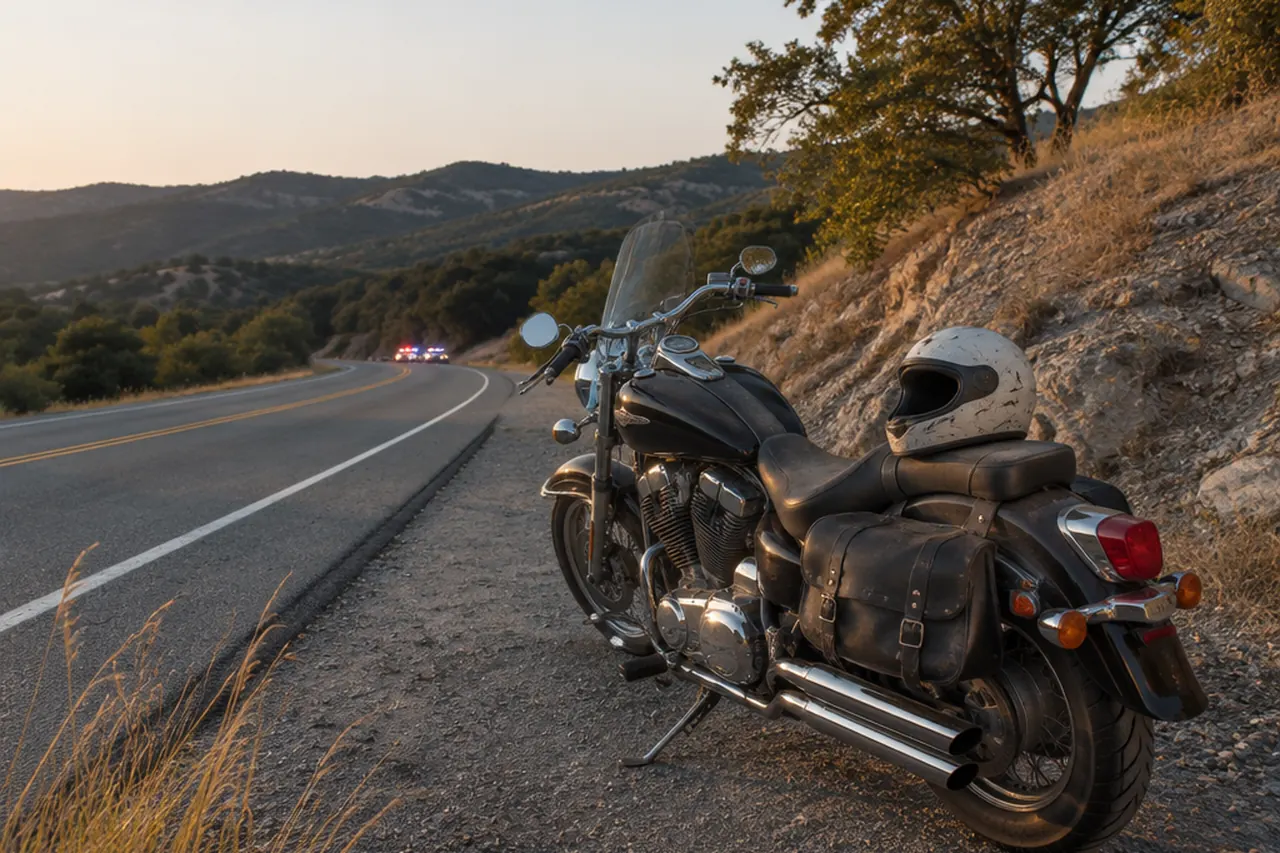
Open ranch highways, wide skies and mild winters make the Concho Valley a good place to ride. Many riders head out US-277 toward Christoval and Sonora, take SH-208 north, or loop around Lake Nasworthy and Twin Buttes. In town, riders deal with the same traffic as everyone else on Sherwood Way, Southwest Boulevard and Loop 306. When a crash happens, the rider takes the hit with no steel frame for protection.
This page explains common causes of motorcycle crashes, the Texas helmet rule, and how riders can protect a claim. It is general information, not legal advice.
Why Drivers Say They Never Saw the Bike
A motorcycle is narrow and easy to lose behind a pillar, a mirror or glare. Drivers who are scanning for cars often look right past a rider. Some of the most common crashes include:
- Turning in front of the bike. An oncoming car cuts left into a side street or a store lot, guessing wrong about how fast the rider is closing. Texas law generally requires a left-turning driver to yield to oncoming traffic close enough to be a hazard.
- Lane changes into the bike. A quick glance misses a rider in a blind spot.
- Rear-end impacts. A distracted driver fails to stop behind a rider waiting at a light.
- Doors and driveways. Cars pulling out of side streets or businesses without a full look.
Saying "I didn't see them" is not a defense. Drivers have a duty to keep a proper lookout. In many cases that statement is actually evidence the driver was not paying enough attention.
Hazards Riders Know Too Well
Some dangers are about the road itself. Gravel and caliche spilled from trucks, potholes, uneven pavement at construction zones and debris from storms can throw a bike down. Deer at dawn and dusk are a serious threat on rural highways. Crosswinds and blowing dust can push a rider out of the lane. When a road defect or spilled load causes a crash, a government body or a company may be responsible, and claims against government bodies often have short notice deadlines.
How the Texas Helmet Law Works
Texas requires riders and passengers under 21 to wear a helmet. Once a rider reaches 21, the helmet becomes optional if they either finished an approved motorcycle training course or have health coverage of at least 10,000 dollars for crash injuries.
What if you were not wearing a helmet? Not wearing one usually has nothing to do with who caused the crash. An insurer may still argue that a helmet would have reduced a head injury, and that argument could affect the value of that part of a claim. How that plays out depends on the facts and the injury. It is not a reason to skip talking with an attorney.
Pushing Back Against Assumptions About Riders
Some adjusters, and some jurors, start with the idea that riders are reckless. That bias can show up as an early claim that you were speeding or weaving. Under Texas fault rules, every percentage of blame put on you cuts your recovery, and more than 50 percent bars it. Our Texas car accident laws guide explains this.
Good evidence is the answer:
- Photos of where the bike and car ended up, the damage to each, and skid marks.
- Helmet camera or dash camera footage, saved in more than one place.
- Witness names, especially other riders or drivers who stopped.
- Your riding gear. Keep the helmet, jacket and boots as they are. Damage to gear can show how the crash happened.
- The crash report, which you can request using our crash report guide.
Do not repair the bike or let it be scrapped before it has been photographed and, in serious cases, inspected.
Injuries and Long Recoveries
Riders often suffer fractures, road rash, spinal injuries, brain injuries and injuries to the legs and feet. Road rash can lead to infection and scarring. Recovery may involve surgery, skin grafts and long therapy. Get treatment promptly at Shannon Medical Center, San Angelo Community Medical Center or the nearest regional hospital, and keep going to follow-up visits. See our injuries guide for more on documenting treatment.
Insurance Questions for Riders
The at-fault driver's liability coverage is the main source of recovery. Texas minimums are low compared with the cost of a serious motorcycle injury. Check your own motorcycle policy for uninsured and underinsured motorist coverage, which insurers must offer and which you only lose by rejecting it in writing. Check whether you have personal injury protection or medical payments coverage too. Our insurance claims guide explains how these policies fit together, and our uninsured driver page covers what happens when the driver had no coverage.
Getting the Motorcycle and Gear Paid For
A damaged motorcycle is its own claim, separate from your injuries. Before anyone repairs or totals the bike, photograph it from every side, including the frame, forks, wheels and controls. If the insurer declares it a total loss, ask how its value was set. Aftermarket parts, custom paint, upgraded exhausts and saddlebags often add value that a basic valuation guide misses, so gather receipts and photos showing what was on the bike before the crash.
Riding gear can be part of the property claim too. A helmet should generally be replaced after any impact, and jackets, gloves, boots and pants damaged in the slide may be costly to replace. Keep the damaged gear rather than throwing it away, since it is evidence as well as property. Our insurance claims guide covers how property damage claims usually move.
Getting a Second Opinion on Your Claim
If you were hurt on a motorcycle, especially if the other side is blaming you, an independent attorney can review the facts. The general two-year Texas deadline applies, but early evidence is the most valuable. Start with a free case review or call (325) 292-0499.
Sources
- Texas Transportation Code, ch. 661 — protective headgear
- Texas Transportation Code, ch. 545 — operation and movement of vehicles
- Texas Civil Practice & Remedies Code, ch. 33 — proportionate responsibility
- Texas Insurance Code, ch. 1952 — PIP and UM/UIM coverage
- Texas Civil Practice & Remedies Code, ch. 16 — limitations
Questions people ask
Do I have to wear a helmet on a motorcycle in Texas?
Riders under 21 must. Riders 21 and older may ride without a helmet if they completed an approved safety course or carry at least 10,000 dollars in health coverage for crash injuries.
Can I still make a claim if I was not wearing a helmet?
Generally yes. Not wearing a helmet usually does not cause a crash. An insurer may argue it made a head injury worse, which could affect that part of a claim, depending on the facts.
What if the driver says I was speeding?
That is a common argument against riders. Evidence such as photos, video, witness accounts, vehicle damage and the crash report can show what really happened. Under Texas law, any share of fault assigned to you reduces your recovery.
Keep reading
Free · about a minute
Find out if you have a case
Answer five quick questions and an independent San Angelo-area injury attorney's office will review your crash at no cost.
Prefer to talk? Call (325) 292-0499