Hit from behind
Rear-End Collisions on San Angelo Streets
Being hit from behind seems simple: the driver in back is at fault. Often that is true, but insurers have ways of shrinking these claims. Here is what to watch for.
In this guide
- The Starting Point: The Driver Behind Should Have Stopped
- When the Driver in Front Gets Some of the Blame
- What Usually Causes These Crashes
- Pileups and Chain-Reaction Crashes
- Injuries From Being Hit From Behind
- The Little Damage, Little Injury Argument
- Getting Your Car Fixed After Being Hit From Behind
- Steps That Strengthen a Rear-End Claim
- Getting a Read on Your Claim
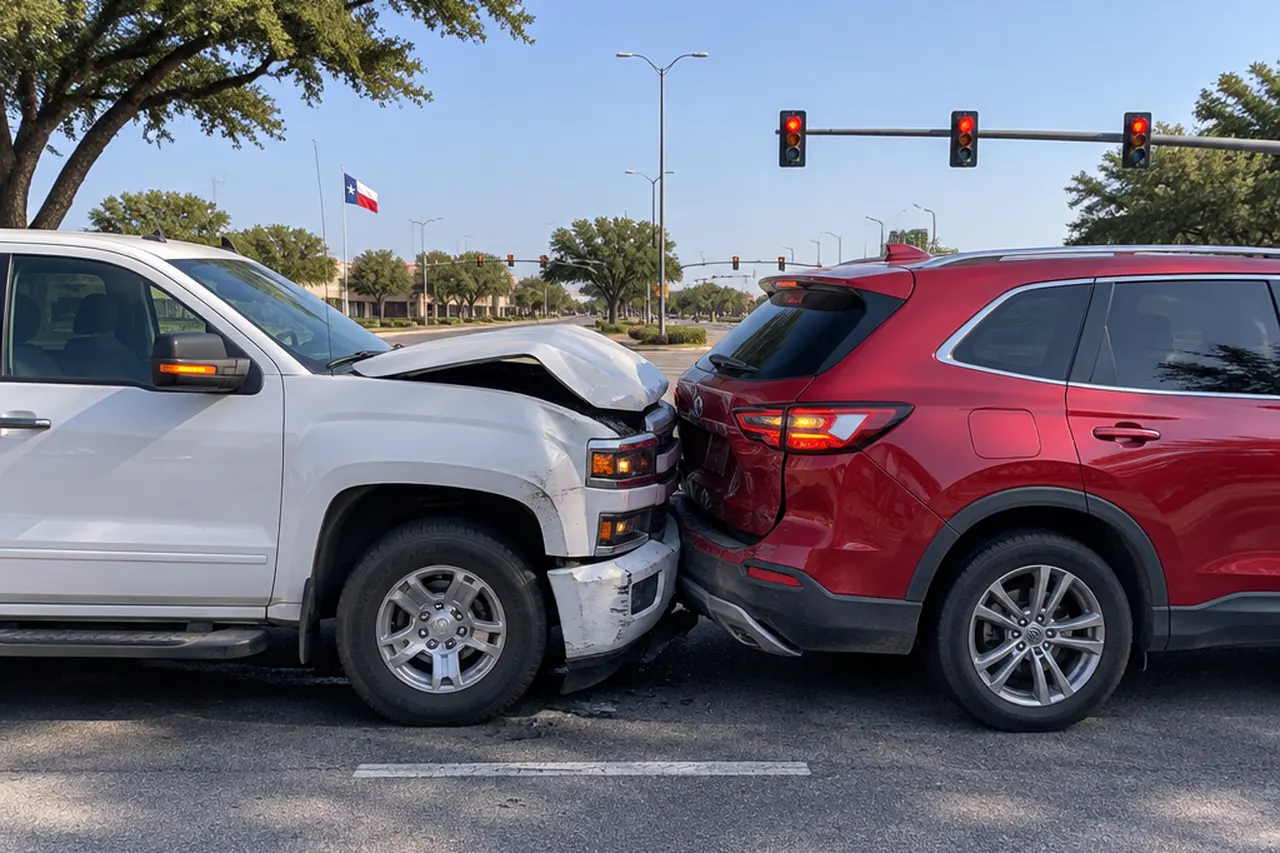
Rear-end crashes are some of the most common wrecks in any city, and San Angelo is no exception. Stop-and-go traffic on Sherwood Way, the lights along Knickerbocker Road and Southwest Boulevard, school zones near College Hills Boulevard, and merges on the Houston Harte Expressway all create chances for a distracted or impatient driver to hit the car in front. Many of these crashes happen at low speed, which is exactly why insurers often treat them as small, even when the injuries are not.
This page is general information, not legal advice.
The Starting Point: The Driver Behind Should Have Stopped
Texas law requires drivers to keep a safe distance from the vehicle in front, one that allows them to stop safely considering speed, traffic and road conditions. When someone runs into the back of your car, the usual story is a driver who was too close, too fast or looking somewhere else. That is why the rear driver is often found mostly or entirely at fault.
But Texas has no rule that automatically puts all the blame on the rear driver. Fault is still decided on the facts.
When the Driver in Front Gets Some of the Blame
Insurers may argue the lead driver contributed if:
- The car stopped suddenly for no traffic reason, or to make a sudden turn.
- Brake lights were not working.
- The car cut in front of the other driver and braked right away.
- The car reversed unexpectedly.
- The driver stopped in a travel lane without hazard lights.
Under Texas modified comparative fault, any share of blame assigned to you reduces your recovery, and more than 50 percent bars it. Our Texas car accident laws guide explains this. If you are blamed in any way, it is worth taking seriously.
What Usually Causes These Crashes
- Phones. A quick look at a text is enough to miss a light turning red. Texas bans texting while driving.
- Tailgating, especially at highway speeds on the expressway and Loop 306.
- Weather. Rain, hail and the occasional icy morning make stopping distances longer.
- Glare. Low sun at dawn and dusk on east-west roads can hide brake lights.
- Heavy vehicles. Pickups pulling trailers and commercial trucks need much more room to stop. See our truck accident page if a commercial truck hit you.
Pileups and Chain-Reaction Crashes
Sometimes the car that hit you was pushed into you by another car behind it. In a chain reaction, more than one driver may be responsible, and their insurers may each blame the other. Photos of every vehicle's damage and position, plus witness accounts, help sort out who hit whom and in what order.
Injuries From Being Hit From Behind
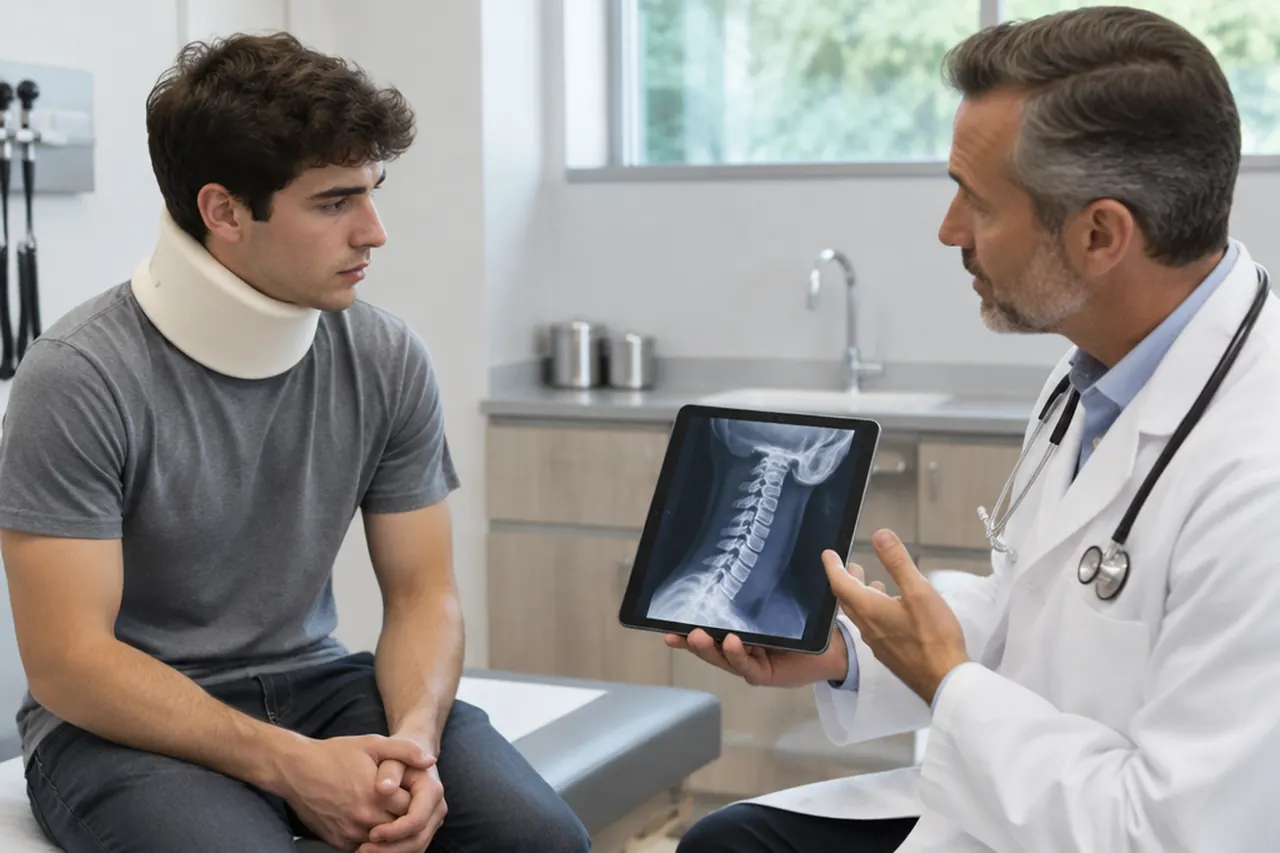
When your car is struck from behind, your body is pushed forward while your head lags, then snaps back. That motion can cause:
- Whiplash and other neck sprains and strains.
- Damage to discs in the lower or upper back.
- Concussions, even without hitting your head on anything.
- Shoulder injuries from the seat belt.
- Wrist and hand injuries from bracing on the steering wheel.
Symptoms often build over the first day or two. Get checked promptly, and go back if new symptoms appear. Our injuries guide lists warning signs.
The Little Damage, Little Injury Argument
A common insurer tactic is to point to photos showing a scuffed bumper and argue no one could be hurt in such a minor crash. Modern bumpers are built to absorb impacts without showing much damage, so the car may look better than the people inside it feel. How badly a person is hurt depends on many things, including the angle, seat position, and age and health of the person.
To counter that argument:
- Get repair estimates that show hidden damage behind the bumper cover.
- See a doctor early and follow the treatment plan without long gaps.
- Tell every provider about every symptom.
- Keep a simple journal of pain, sleep and activities you cannot do.
Texas generally limits recoverable medical costs to what was actually paid or owed, so keep final bills, not just the first statements.
Getting Your Car Fixed After Being Hit From Behind
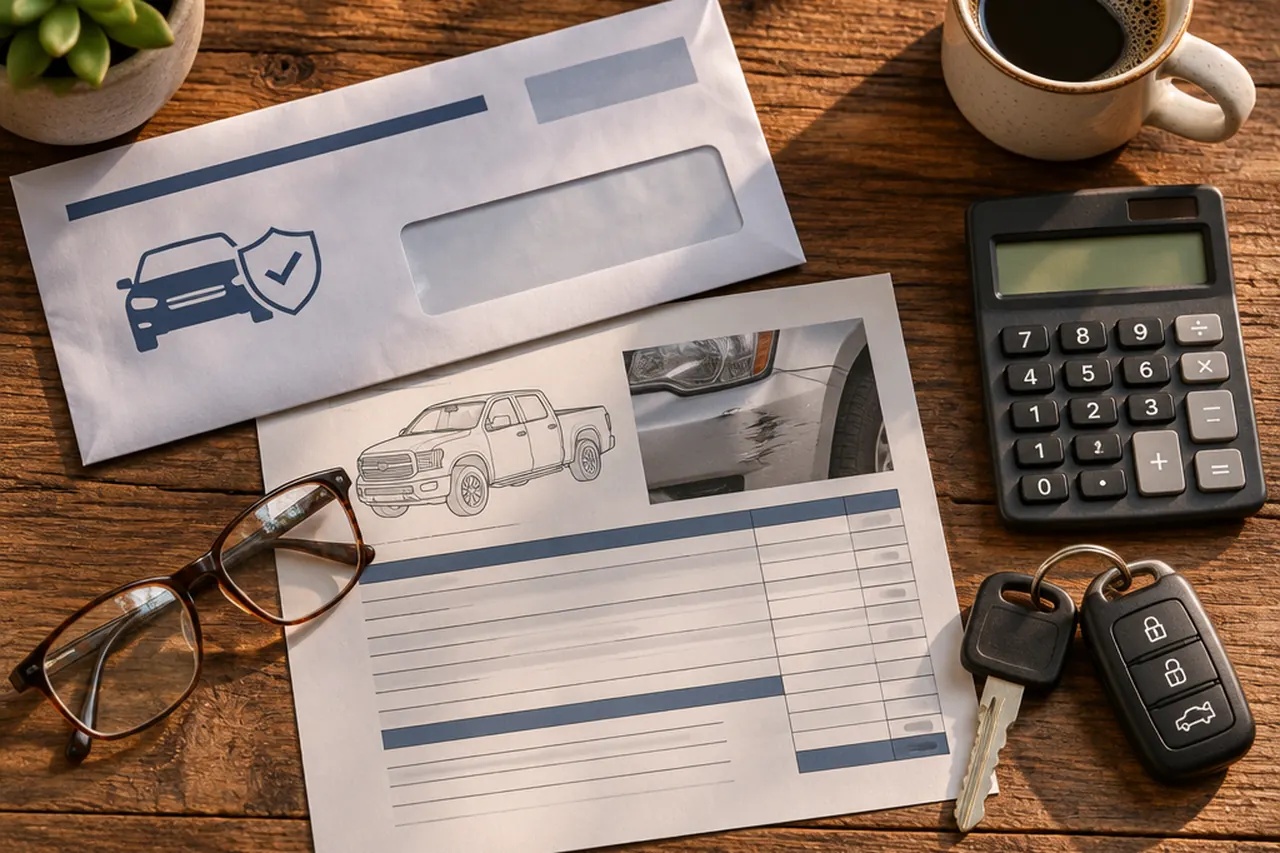
Rear-end damage is often worse than it looks. Behind the bumper cover sit foam absorbers, reinforcement bars, sensors for parking aids and safety systems, and sometimes the trunk floor or frame rails. A body shop that takes the bumper off may find problems that a quick photo estimate missed. Ask for a supplement if hidden damage turns up during repairs.
Because the rear driver is often at fault, you can usually make the property claim against their insurer. You may also use your own collision coverage if that is faster, then let your insurer seek repayment. Ask about a rental car or payment for the time your car is out of service. If the car is worth less after repairs, Texas may allow you to seek that lost value from the at-fault driver.
Keep copies of every estimate, the final repair invoice and rental receipts. Those papers support the property claim and can help explain the force of the impact in an injury claim.
Steps That Strengthen a Rear-End Claim
- Call police and request the crash report. Our crash report guide explains how.
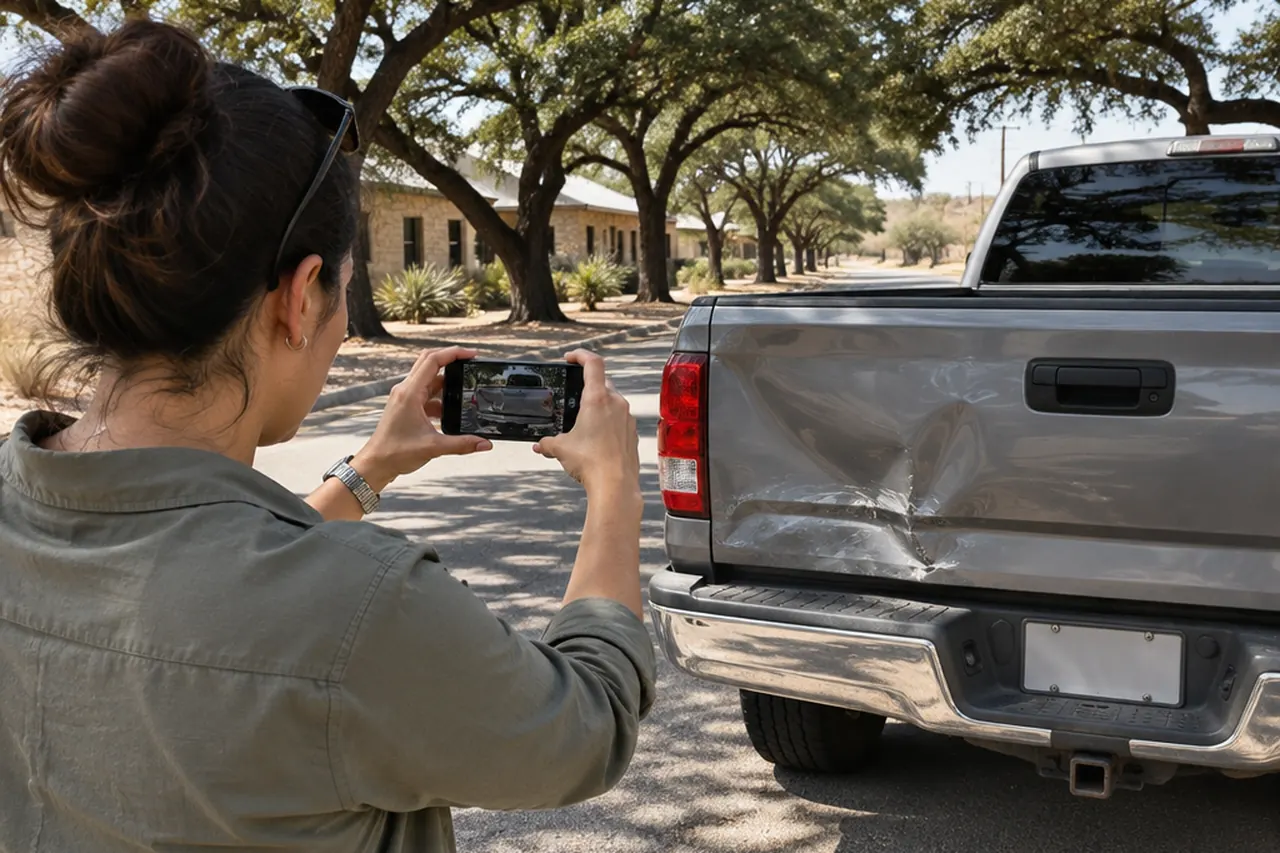
- Photograph both cars, including the front of the car that hit you.
- Note whether the other driver said anything about their phone, being distracted, or not seeing you stop.
- Ask nearby businesses about cameras. Many intersections in town have shops nearby.
- Avoid giving a recorded statement to the other driver's insurer until you know the extent of your injuries. See our insurance claims guide.
Getting a Read on Your Claim
If the insurer is minimizing your injuries or blaming you for stopping, an independent attorney can review the facts with you. The general two-year Texas deadline applies. Start with a free case review or call (325) 292-0499.
Sources
Questions people ask
Does the car in back always take the blame?
Not always, but often. Texas requires drivers to keep a safe following distance, so the rear driver is usually found mostly at fault. The lead driver may share blame in situations like a sudden unnecessary stop or broken brake lights.
Can I be hurt in a low-speed rear-end crash?
Yes. Whiplash and back injuries can happen even when vehicle damage looks minor, because bumpers are designed to absorb force. Prompt medical care and complete records help show what happened to you.
Who is at fault in a chain-reaction crash?
It depends on the order of impacts. More than one driver may share responsibility. Photos, vehicle damage, witness statements and the crash report help sort it out.
Keep reading
Free · about a minute
Find out if you have a case
Answer five quick questions and an independent San Angelo-area injury attorney's office will review your crash at no cost.
Prefer to talk? Call (325) 292-0499