No coverage, no driver
Uninsured, Underinsured and Hit-and-Run Crashes
A driver with no coverage, thin coverage or no name at all leaves you leaning on your own policy. Here is how that works in Texas.

In this guide
- Three Situations, Three Different Problems
- What to Do in the First Hours
- How Uninsured and Underinsured Motorist Coverage Works
- Personal Injury Protection Can Help Right Away
- When Your Own Insurer Is on the Other Side
- Other Places Money Might Come From
- Deadlines Still Apply
- If Police Find the Driver Later
- Help With an Uninsured or Hit-and-Run Claim
Few things are more frustrating than being hurt by someone who either has no insurance or does not stick around. Maybe a pickup sideswiped you on Knickerbocker Road and kept going, or a driver on Loop 306 handed over an expired insurance card. Out on a dark stretch of US-87, a vehicle may cross the line and be gone before you can read a plate. You may still have options, and many of them run through your own policy.
This page is general information, not legal advice.
Three Situations, Three Different Problems
- Uninsured. The at-fault driver had no liability insurance at all, even though Texas requires it.
- Underinsured. The at-fault driver had insurance, but not enough. Texas minimum liability coverage is 30,000 dollars per injured person and 60,000 dollars per crash, which a serious injury can quickly exceed.
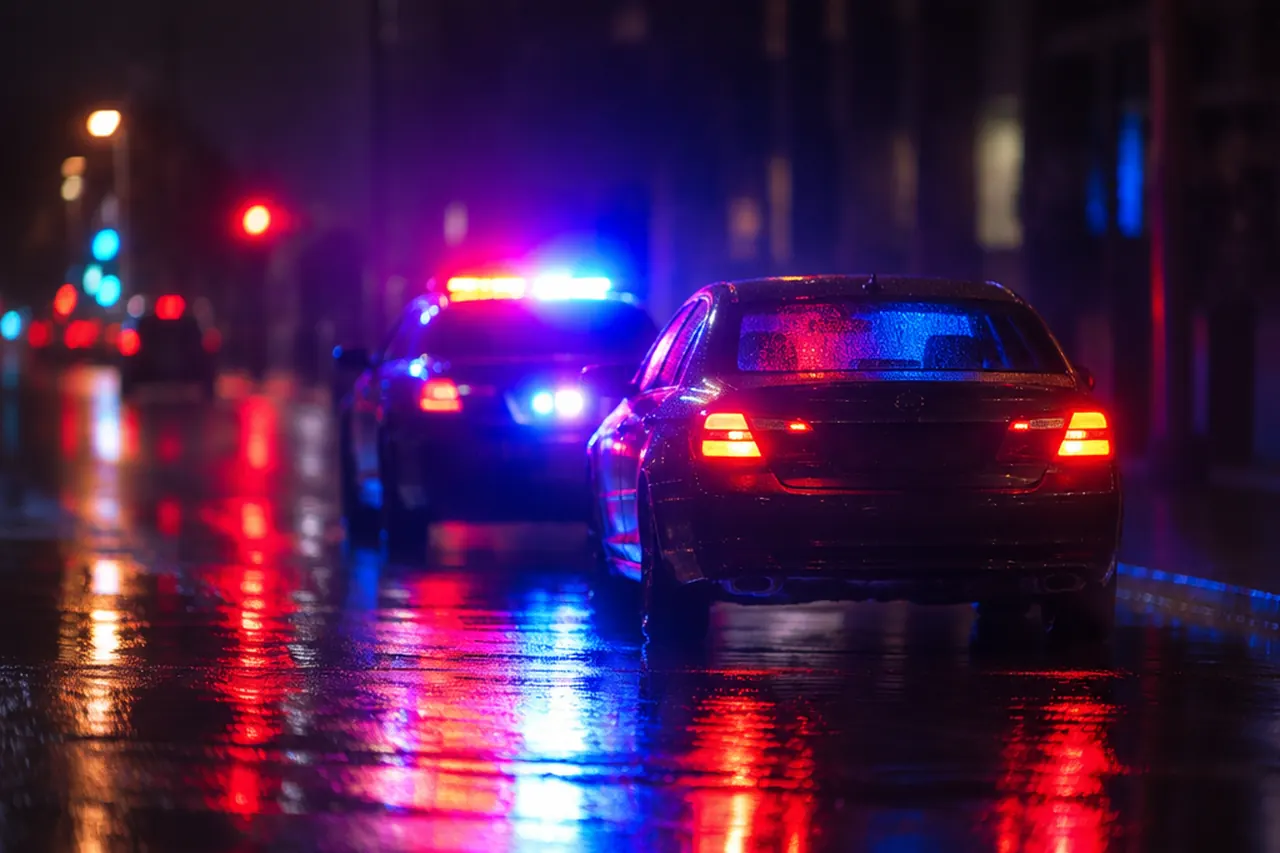
- Hit-and-run. The driver left the scene and may never be identified.
What to Do in the First Hours
- Call 911 right away. Texas requires drivers involved in injury crashes to stop and render aid. Leaving is a serious crime. A fast report gives police the best chance to find the driver and creates a record your insurer will want.
- Write down everything you remember. Make, model, color, partial plate, damage, direction of travel, bumper stickers, anything.
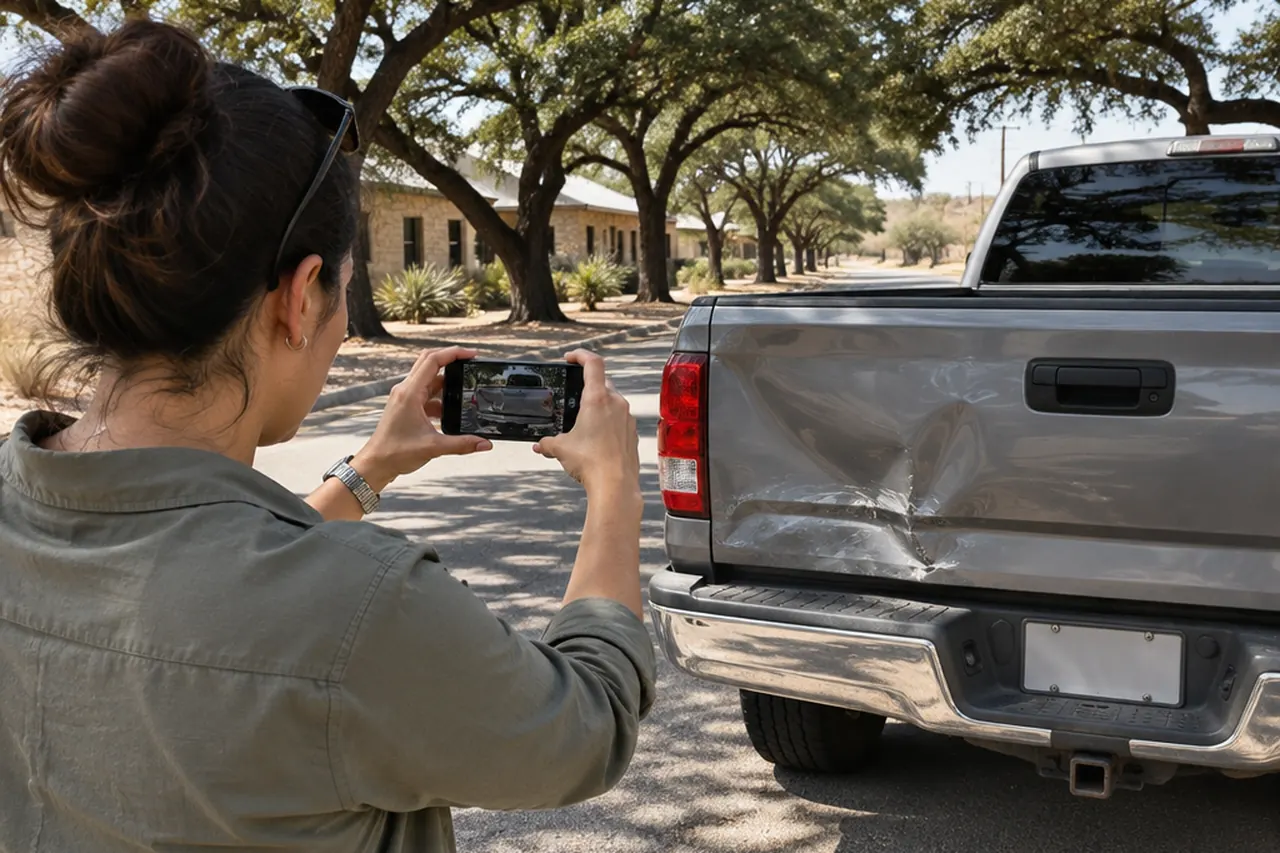
- Photograph the scene, your vehicle, paint transfer and any parts the other car left behind.
- Look for cameras on nearby businesses, homes and traffic poles. Footage can be erased within days.
- Find witnesses. Other drivers may have seen the plate.
- Get medical care and tell your providers how you were hurt.
- Notify your insurer promptly. Policies usually require quick notice, and some hit-and-run claims depend on prompt reporting to police and the insurer.
The officer's report will be important. Our crash report guide explains how to get it.
How Uninsured and Underinsured Motorist Coverage Works
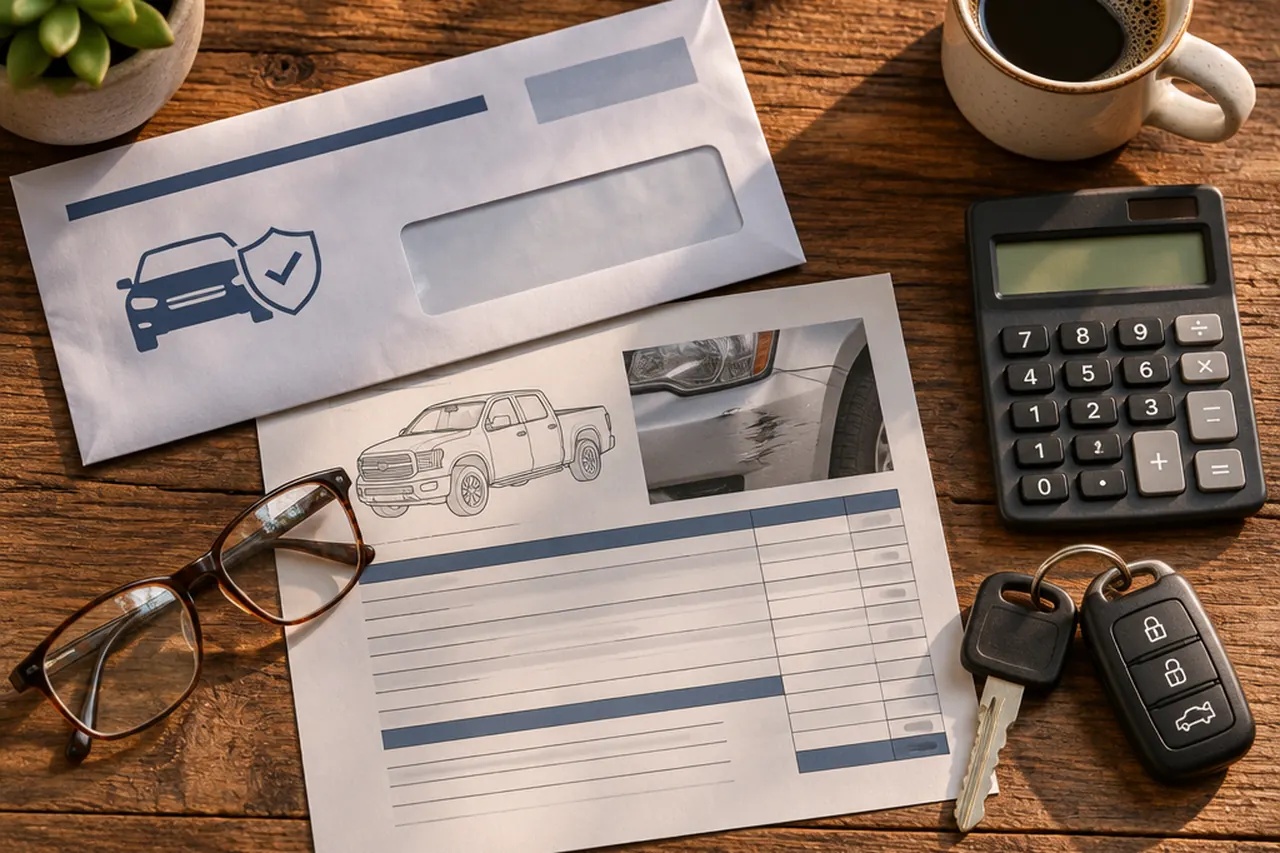
Texas insurers must offer uninsured and underinsured motorist coverage, often called UM/UIM, with every auto policy. You only lose it by rejecting it in writing. Many people do not remember what they signed, so ask your insurer for your declarations page and any rejection form.
If you have it, UM/UIM coverage may pay for your injuries as if your own insurer were the at-fault driver's insurer, up to your limits:
- Uninsured: it may step in for coverage the at-fault driver never bought.
- Underinsured: after the at-fault driver's policy pays its limit, it may cover the remaining loss up to your UIM limits.
- Hit-and-run: an unidentified driver is generally treated like an uninsured driver. Many policies require that the unknown vehicle actually struck you or your car, so a crash where you swerved to avoid a car that never touched you may be harder. Read your policy closely.
UM/UIM may also cover you as a passenger in someone else's car, or when you are hit while walking or biking. See our pedestrian and bicycle page.
Personal Injury Protection Can Help Right Away
Texas policies must include at least 2,500 dollars in personal injury protection unless you rejected it in writing. PIP pays medical bills and part of lost income regardless of fault, which is especially useful when the other driver has nothing to collect from. Your collision coverage, if you have it, may pay to fix your car minus the deductible. Some policies also include uninsured motorist property damage coverage.
When Your Own Insurer Is on the Other Side
Here is the part that surprises people. In a UM/UIM claim, your own insurer takes the role the other driver's insurer would normally play. It may question how the crash happened, how badly you were hurt and what treatment was needed. Being a loyal customer does not change that.
- Your policy may require you to cooperate, such as by giving a statement or sitting for an exam. Understand what is required before you do.
- Texas has prompt payment rules for first-party claims, which set timelines for an insurer to acknowledge, investigate and pay. The Texas Department of Insurance accepts complaints.
- In an underinsured claim, do not settle with the at-fault driver's insurer without talking to your own company first. Many policies require their consent, and settling without it can put your UIM claim at risk.
Our insurance claims guide has more on working with adjusters.
Other Places Money Might Come From
Even when a driver is uninsured, other parties may be responsible. If the driver was working, their employer may be. If the car belonged to someone else, the owner's policy may apply in some situations. Health insurance can cover treatment and may seek repayment. A judgment against an uninsured driver personally is possible, but often hard to collect.
Deadlines Still Apply
The general Texas two-year limit for injury lawsuits matters, and your policy may also set notice requirements. Do not let a stalled police investigation stall your claim. Our Texas car accident laws guide explains the deadlines.
If Police Find the Driver Later
Sometimes a hit-and-run driver is identified days or weeks after the crash, through a camera, a tip or a body shop report. If that happens, the claim may shift. If the driver turns out to have insurance, their liability coverage may become the main source, with your own UIM coverage possibly filling a gap. If they had no insurance, your uninsured motorist claim may continue as before.
Either way, tell your insurer as soon as you learn the driver was found, and get the new report or case number. Keep in mind that the criminal case for leaving the scene is separate from your claim for your injuries. A conviction can be useful evidence, but it does not pay your bills by itself. Our page on drunk driving crashes explains how criminal and civil cases run side by side.
Help With an Uninsured or Hit-and-Run Claim
If your own insurer is pushing back, or you are not sure what your policy covers, an independent attorney can review it with you. Start with a free case review or call (325) 292-0499.
Sources
- Texas Insurance Code, ch. 1952 — PIP and UM/UIM coverage
- Texas Transportation Code, ch. 601 — motor vehicle safety responsibility
- Texas Transportation Code, ch. 550 — accidents and accident reports
- Texas Insurance Code, ch. 542 — prompt payment of claims
- Texas Department of Insurance
- Texas Civil Practice & Remedies Code, ch. 16 — limitations
Questions people ask
Will my own policy pay if the driver fled?
It may, if you have uninsured motorist coverage, PIP or collision coverage. Many policies require that the unidentified vehicle actually made contact and that the crash was reported promptly. Check your policy and report right away.
How do I know if I rejected UM/UIM coverage?
Texas requires a rejection to be in writing. Ask your insurer for your declarations page and a copy of any signed rejection form. If there is none, the coverage may be part of your policy.
Can I settle with the other driver's insurer before my underinsured claim?
Be careful. Many policies require your insurer's consent before you settle with the at-fault driver, and settling without it can put your underinsured claim at risk. Talk to your insurer or an attorney first.
Keep reading
Free · about a minute
Find out if you have a case
Answer five quick questions and an independent San Angelo-area injury attorney's office will review your crash at no cost.
Prefer to talk? Call (325) 292-0499