Big rig crashes
18-Wheeler and Commercial Truck Crashes Around San Angelo
A crash with a loaded semi is a different kind of claim. More rules apply, more companies are involved, and the evidence can disappear faster than you would expect.
In this guide
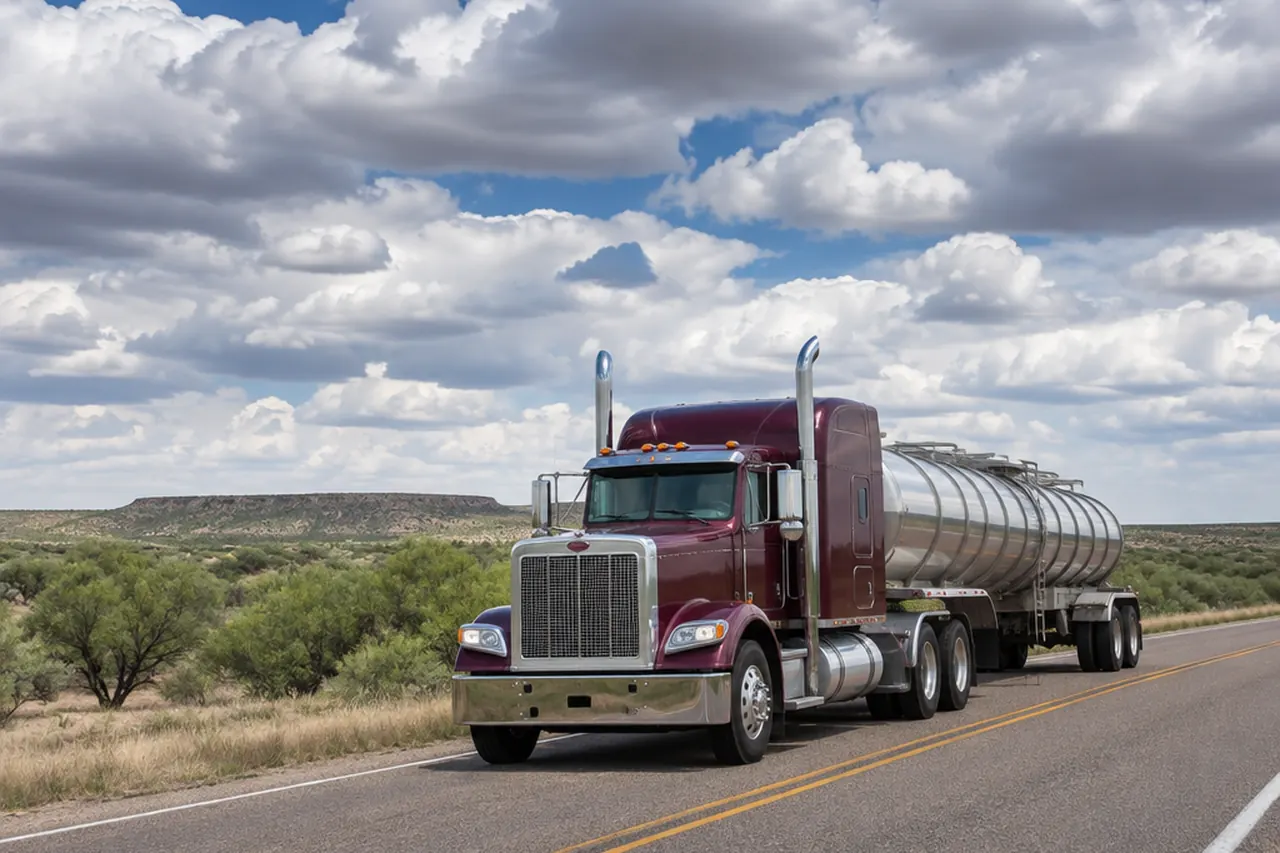
San Angelo sits where US-87, US-67 and US-277 come together, so a steady stream of tractor-trailers rolls through town and across the Concho Valley. Freight haulers, cattle trucks, tankers and flatbeds share the Houston Harte Expressway, Loop 306 and long two-lane stretches with families heading to Lake Nasworthy or students driving home from Angelo State. When one of those trucks collides with a passenger car, the results are often severe.
This page explains how truck crash claims differ from ordinary car wreck claims, and what you can do to protect yours. It is general information, not legal advice.
Why a Truck Claim Is Not Just a Bigger Car Claim
A loaded tractor-trailer can weigh many times more than a pickup. It needs far more room to stop, swings wide on turns, and has large blind spots along both sides and behind. That physics explains why truck crashes cause so many serious injuries. But the legal differences matter just as much:
- Federal safety rules apply to many commercial carriers, covering driver hours, inspections, maintenance, drug and alcohol testing and driver qualifications.
- Several businesses may share responsibility, not just the person behind the wheel.
- Insurance is often larger and layered, which also means insurers fight harder.
- The trucking company usually moves fast. Many carriers send their own investigators to a serious crash within hours.
Who May Be Responsible
Depending on the facts, a truck crash claim may involve:
- The driver, for speeding, fatigue, distraction, an unsafe lane change or following too closely.
- The motor carrier that employed or contracted the driver, both for the driver's conduct on the job and for its own choices, such as hiring an unqualified driver or pushing unrealistic schedules.
- The owner of the truck or trailer, if different from the carrier.
- A maintenance shop that worked on brakes, tires or lights.
- A shipper or loader whose cargo was overloaded or poorly secured.
- A parts maker, if a defect played a role.
Texas uses a proportionate fault system, so responsibility can be divided among several parties, and your own share, if any, reduces what you can recover. More than 50 percent fault generally bars recovery. Our Texas car accident laws guide explains the rule.
Federal Rules That Can Become Evidence
Hours of service
Federal rules limit how long many commercial drivers may drive. A property-carrying driver generally may drive up to 11 hours after 10 consecutive hours off duty, and may not drive beyond the 14th hour after coming on duty. Long hauls across West Texas make fatigue a real concern, and a violation can be strong evidence.
Electronic logs and truck data
Most interstate trucks record driving time electronically. Many also store data about speed, braking and engine activity, and carriers often use GPS tracking and cameras. That information can show exactly what the truck was doing in the moments before impact.
Driver files, testing and maintenance
Carriers are generally required to keep records about driver qualifications, drug and alcohol testing, and inspections and repairs. Gaps in those records can point to deeper problems.
Evidence Has an Expiration Date
Some records may only be kept for a limited time, and electronic data can be overwritten when a truck goes back into service. That is why the first weeks matter. An attorney can send the carrier a preservation letter demanding that it keep logs, data, video, the driver's file and the truck itself.
On your side, do what you can:
- Photograph the truck, the trailer, any company name, the USDOT number on the cab door and the plates.
- Get the driver's name and the name of the company they drive for.
- Note the location, including mile markers on highways like US-87 or US-277.
- Collect witness names. Other truckers sometimes stop and see more than anyone.
- Get a copy of the crash report. Our crash report guide explains how.
Truck Traffic in the Concho Valley
Local roads bring their own risks. Trucks merging onto the Houston Harte Expressway and the Loop 306 interchanges must judge gaps in moving traffic. On two-lane highways, cars passing slow trucks, or trucks passing each other, can lead to head-on collisions. Livestock haulers make frequent stops and wide turns onto ranch roads. Weather adds another layer: blowing dust, sudden thunderstorms, hail and the occasional ice storm all make a heavy truck harder to control and stop.
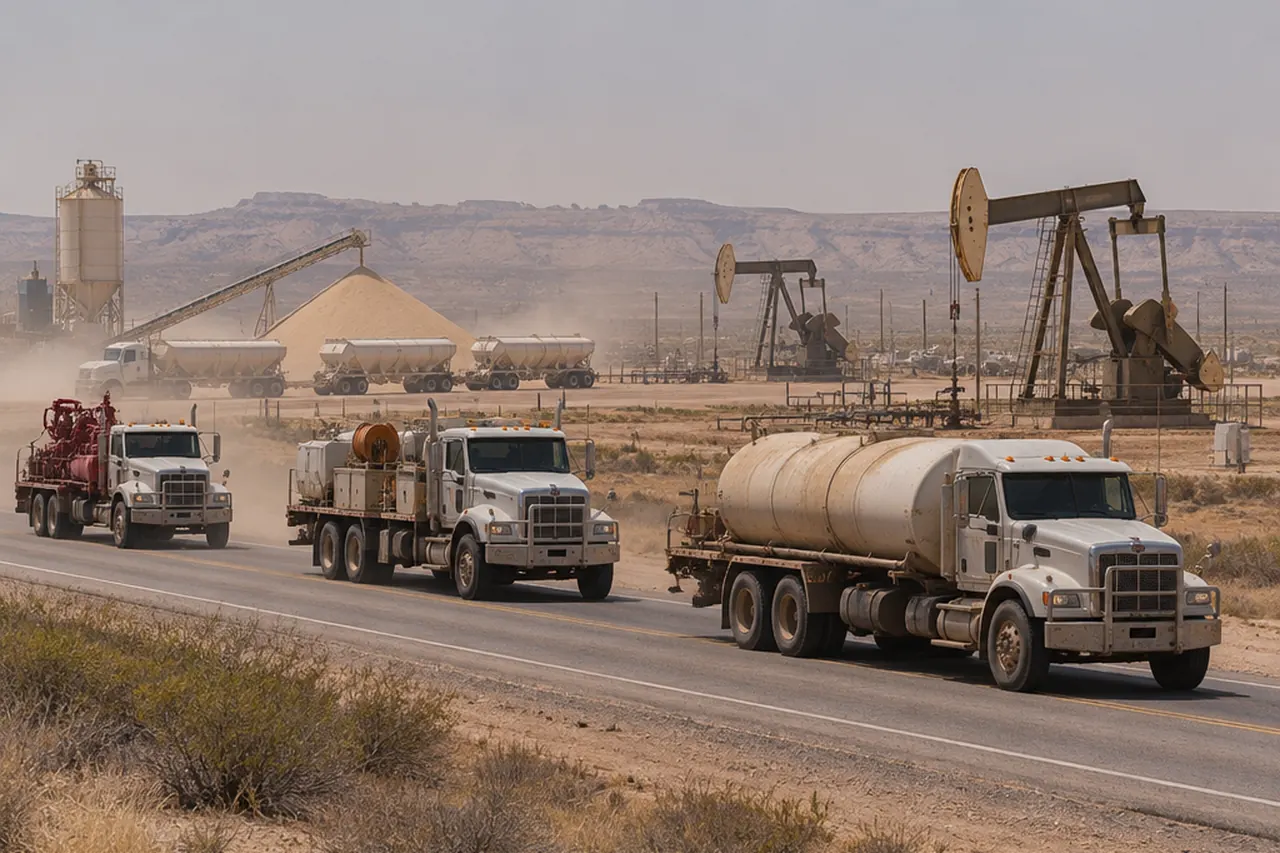
Oilfield traffic heading west toward the Permian Basin raises separate issues. If the truck was a water hauler, sand truck or other energy work vehicle, see our oilfield truck accident page.
Insurance and Where a Case Might Be Heard
Commercial carriers generally carry much more liability coverage than ordinary drivers, and there may be excess or umbrella policies stacked on top. The carrier's insurer often has adjusters and lawyers working the claim within days. Be cautious about early calls, recorded statements and quick offers. Our insurance claims guide explains how to handle adjusters.
Many truck cases are resolved in state court. Some, particularly those involving an out-of-state carrier, may end up in federal court. The U.S. District Court for the Northern District of Texas has a division in San Angelo.
The Injuries Tend to Be Serious
Broken bones, spinal injuries, brain injuries and internal injuries are common in truck crashes. Treatment may start at Shannon Medical Center or San Angelo Community Medical Center and continue for months. Keep every record and follow your treatment plan. Our injuries guide covers delayed symptoms and why records matter.
The two-year Texas deadline for most injury lawsuits applies to truck crashes too, but the practical clock is much shorter because of disappearing evidence.
Getting Help With a Truck Crash
Because truck cases move quickly and involve more parties, many people choose to talk with an attorney early. An independent Texas attorney can explain what may apply in your situation. Start with a free case review or call (325) 292-0499.
Sources
- 49 C.F.R. Part 395 — hours of service of drivers
- Texas Civil Practice & Remedies Code, ch. 33 — proportionate responsibility
- Texas Civil Practice & Remedies Code, ch. 16 — limitations
- Texas Civil Practice & Remedies Code, ch. 41 — damages
- Texas Transportation Code, ch. 550 — accidents and accident reports
Questions people ask
Who pays after a crash with an 18-wheeler?
Often the trucking company's insurer, because carriers are generally responsible for drivers working for them. Other parties, such as a trailer owner, loader or maintenance shop, may also share responsibility depending on the facts.
Where do I find the trucking company's identity?
Interstate commercial carriers are assigned a USDOT number, usually shown on the truck's cab door. It identifies the company responsible for the truck, which helps find its insurance and safety records.
How fast should I act after a truck accident?
As soon as you reasonably can. The lawsuit deadline is generally two years, but logs, electronic data and video can be lost much sooner. A preservation letter sent early can help protect that evidence.
Keep reading


Free · about a minute
Find out if you have a case
Answer five quick questions and an independent San Angelo-area injury attorney's office will review your crash at no cost.
Prefer to talk? Call (325) 292-0499