Police records
Getting Your San Angelo Crash Report
The officer's crash report is often the first thing an adjuster reads. Here is how to find out who wrote yours, get a copy, read it, and fix mistakes.
In this guide
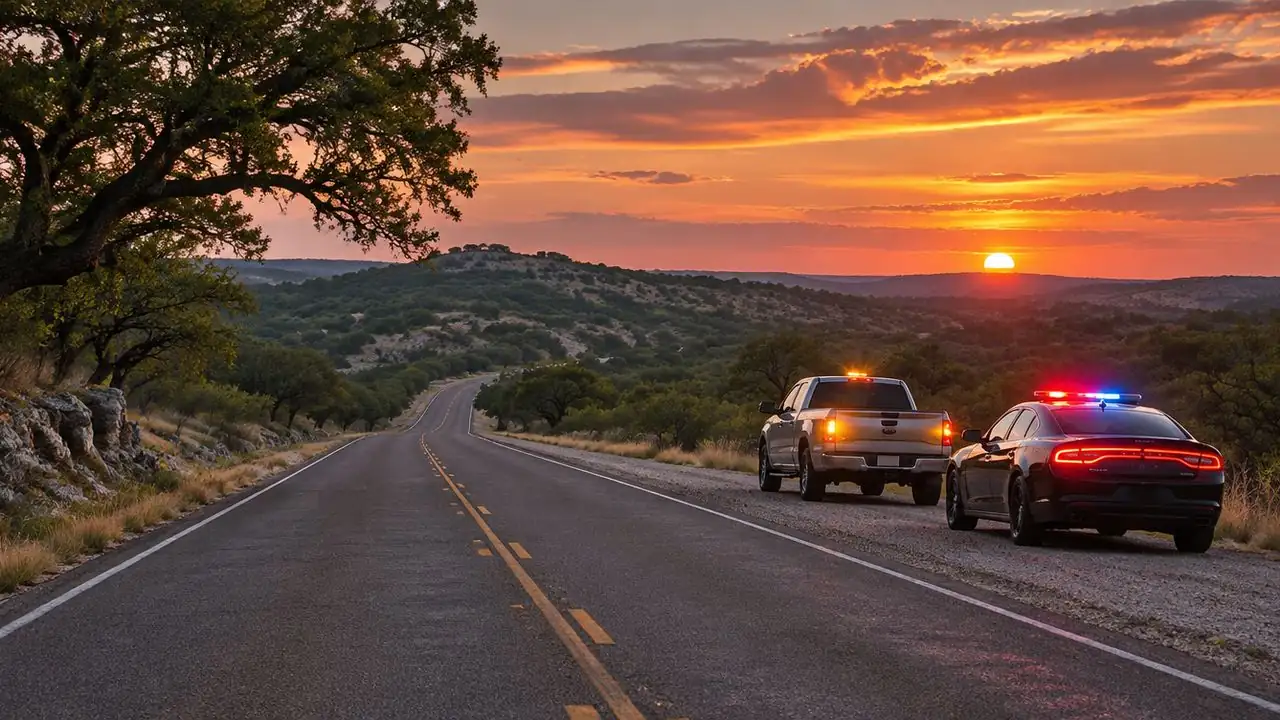
After a crash, the officer who responded usually writes a formal report. In Texas that is the Texas Peace Officer's Crash Report, known as Form CR-3. Insurance adjusters, attorneys and sometimes courts rely on it to understand what happened. It is not the final word on fault, but it carries real weight, so it is worth getting a copy and reading it closely.
When an Officer Has to File One
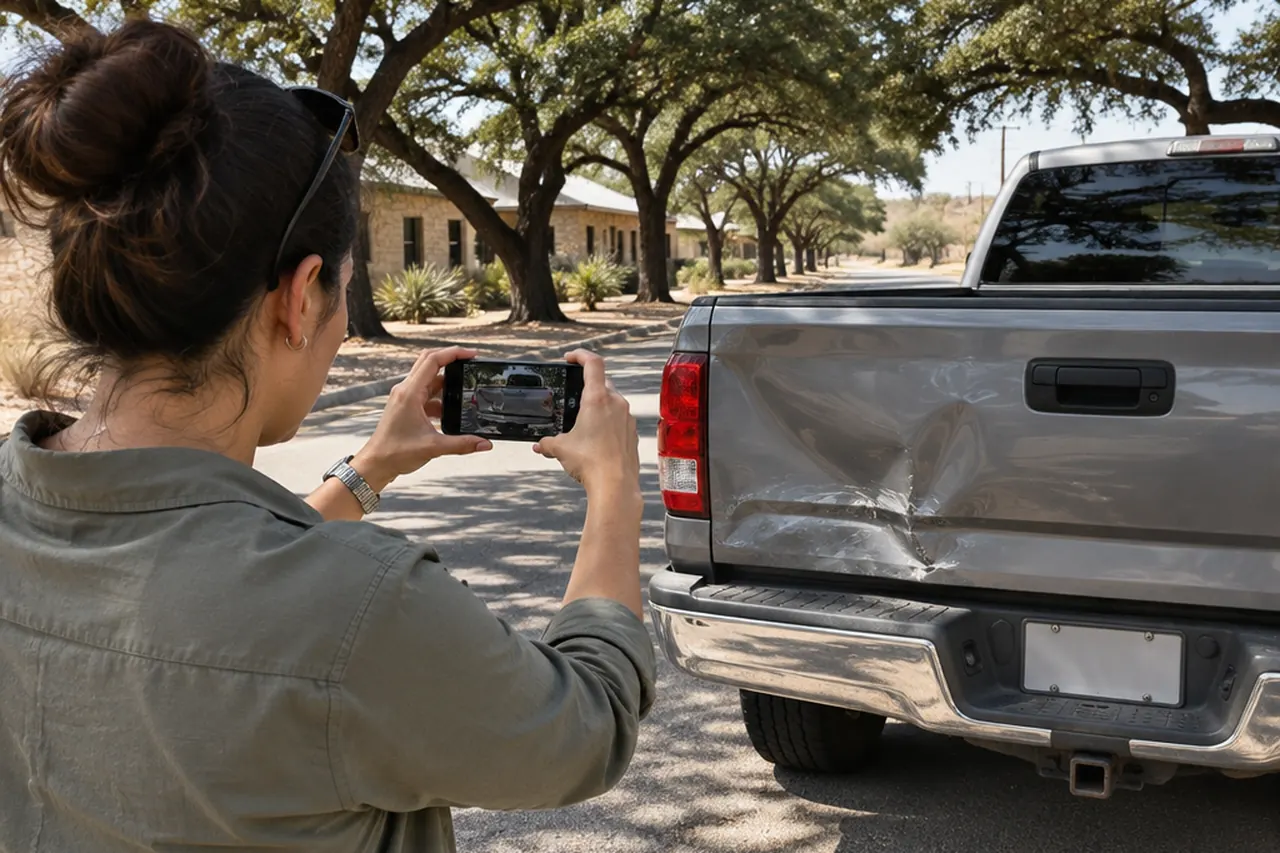
Texas law generally requires an investigating officer to file a written crash report when a crash causes an injury, a death, or at least 1,000 dollars in damage to any one person's property. In a small parking lot bump with no injuries, an officer may not come at all or may not file a CR-3. If no officer investigated, your own photos, witness names and insurance claim become the main record.
Figure Out Which Agency Has Your Report
Around San Angelo, three agencies handle most crashes. Which one came depends on where you were.
- San Angelo Police Department. Crashes inside city limits, such as on Sherwood Way, Knickerbocker Road, Bryant Boulevard or Chadbourne Street, are usually worked by SAPD officers.
- Tom Green County Sheriff's Office. Deputies often respond in unincorporated parts of the county, including county roads and areas near communities like Wall, Christoval and Grape Creek.
- Texas DPS Highway Patrol. State troopers frequently work crashes on highways outside the city, such as US-87, US-67, US-277 and SH-208.
The line is not always neat. A crash on Loop 306 or the Houston Harte Expressway could be worked by SAPD or DPS depending on the spot and who was available. If you are not sure, look at the card or slip the officer gave you. It usually lists the agency and a case or report number. If you crashed in a neighboring county, the county sheriff's office or DPS likely handled it.
Buying a Copy Online Through TxDOT
Agencies send completed CR-3 reports to the Texas Department of Transportation, which keeps them in its Crash Records Information System, often called CRIS. TxDOT runs an online purchase site where you can search for and buy a copy.
- Give it some time. A report usually is not available the next morning. The officer has to finish it and the agency has to submit it, which often takes days and can take a couple of weeks.
- Gather your details. You will generally need information such as the date of the crash, the name of a driver or person involved, and where it happened, such as the county or the street. A crash ID or report number speeds things up.
- Search and buy. TxDOT charges a small fee, and a certified copy costs a little more. A regular copy is fine for most insurance claims. Attorneys sometimes request certified copies for court.
- Save it. Download the PDF, keep it with your claim file, and send it to your own insurer if they ask.
Texas limits who may get a copy of a crash report for a period of time, generally to people involved, vehicle owners, their insurers, their attorneys and others with a legitimate reason. That is why the system asks you to show you know details about the crash. You can also ask the investigating agency directly. SAPD, the sheriff's office and DPS each have their own records process if the online search does not find yours.
What You Will Find Inside
The CR-3 packs a lot into a few pages. Expect to see:
- Date, time and exact location, often with the roadway and nearest cross street.
- Each driver's name, address, license details and insurance information.
- Vehicle descriptions, plates and where each vehicle was damaged.
- Weather, lighting and road surface, such as wet, icy or dark.
- Injury codes for each person and whether anyone went to a hospital.
- A diagram of how the vehicles moved and came to rest.
- A short written narrative in the officer's words.
- Contributing factors, which are codes for what the officer believed played a part, such as failure to control speed, following too closely or failing to yield.
- Any citations issued.
Adjusters often go straight to the contributing factors. Keep in mind that the officer usually arrived after the crash and based those codes on what drivers and witnesses said and what the scene showed. They are an opinion, not a court ruling.
When the Report Gets Something Wrong
Mistakes happen. A plate number is off by one digit, an insurance policy is missing, or your statement is summed up in a way that is not what you said. How you handle it depends on the kind of error.
Factual mistakes
Wrong names, addresses, insurance details, vehicle information or a misplaced location are the easiest to fix. Contact the agency that wrote the report, give the report number, and explain the error with proof, such as your insurance card or registration. Ask whether the officer can file a supplement or amended report.
Disagreements about what happened
Officers rarely change their opinion about fault. If you disagree, you can ask whether the agency will accept a written statement from you or a witness. Even if the report stays the same, your claim is not decided by it. Photos, video, vehicle damage, witness accounts and, in bigger cases, reconstruction can tell a different story.
If the report blames you and you believe it is wrong, take that seriously. Under Texas fault rules, a higher share of blame reduces what you can recover and can end a claim. Our Texas car accident laws guide explains why.
Putting the Report to Work
Share the report with your insurer and keep a copy for any attorney you talk to. Use it to confirm the other driver's insurance and to identify witnesses. If no report exists, the claim still can move forward. Strong photos, medical records and witness statements carry the load, as our insurance claims guide explains.
If the report is unclear, blames you, or leaves out key facts, a free case review with an independent attorney can help you decide what to do next. You can also call (325) 292-0499.
Sources
Questions people ask
How long does it take for a crash report to be available in San Angelo?
It varies. The officer has to finish the report and the agency has to submit it to TxDOT, which often takes several days and can take a couple of weeks. If it is not online after that, contact the agency that responded.
Who can buy a Texas crash report?
For a period after the crash, Texas generally limits copies to people involved, vehicle owners, their insurers, their attorneys and others with a legitimate need. The online system asks for details about the crash to confirm you are one of them.
Can I get the officer to change who was at fault?
It is uncommon. Officers usually correct factual errors, like a wrong plate or insurance detail, but rarely change their opinion about fault. Your claim is not decided by the report alone, and other evidence can still show what really happened.
Keep reading
Free · about a minute
Find out if you have a case
Answer five quick questions and an independent San Angelo-area injury attorney's office will review your crash at no cost.
Prefer to talk? Call (325) 292-0499