Uber and Lyft
Rideshare Crashes in San Angelo: Who Pays
The rideshare company's policy may or may not be in play, and the deciding fact is the driver's status in the app when the cars collided. Here is how Texas sorts that out.
In this guide
- The Question That Decides Coverage: What Was the App Doing?
- Your Role in the Crash Changes the Path
- Steps at the Scene of a Rideshare Crash
- Dealing With Several Insurers at Once
- Fault Still Matters
- Notes for Students and Service Members
- Delivery Drivers Are a Different Question
- Sorting Out a Rideshare Claim
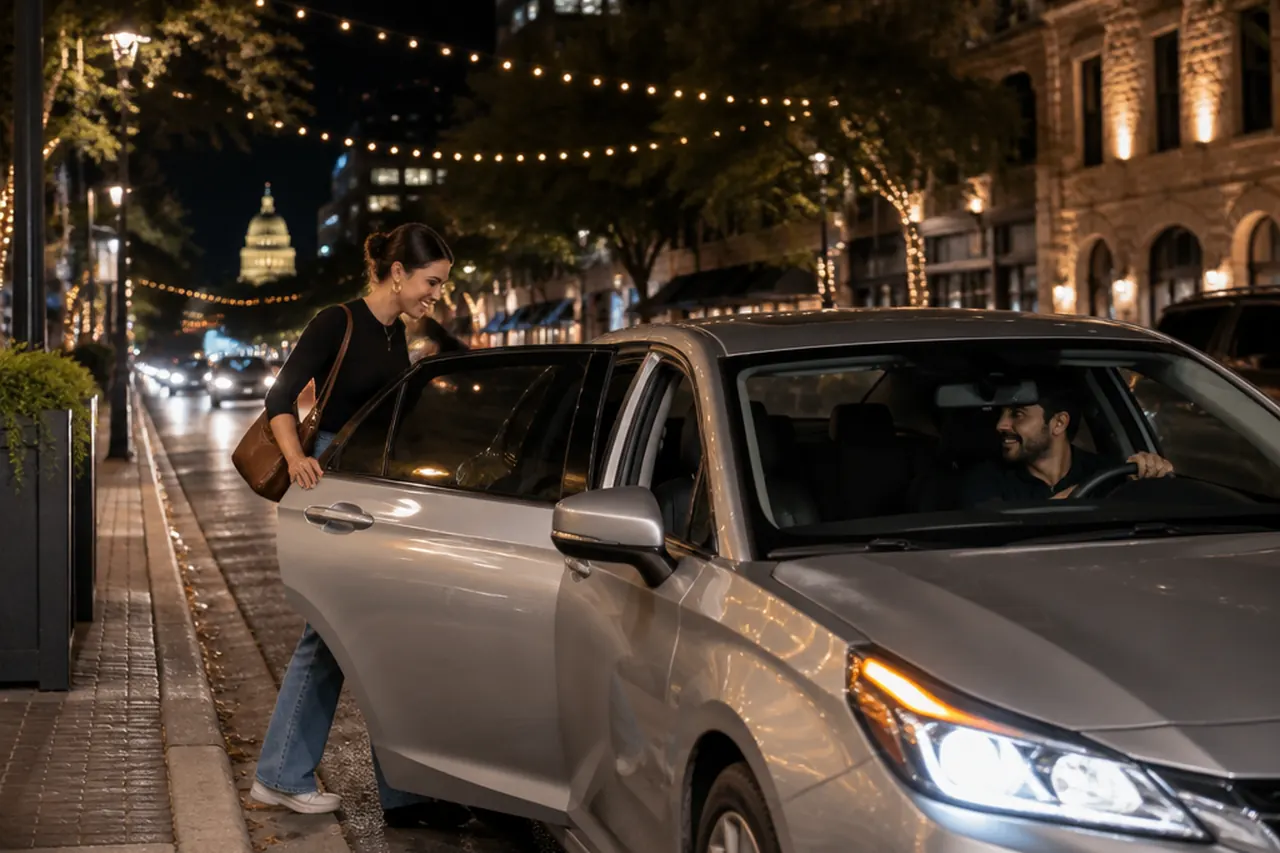
App-based rides have become part of how people get around San Angelo. Angelo State students use them to get home after a night out. Airmen at Goodfellow Air Force Base without a car use them to run errands. Visitors use them to get from hotels to restaurants downtown. When a rideshare vehicle is involved in a crash, the first question is usually not who was at fault, but which insurance applies. In Texas, the answer depends largely on the driver's app status.
This page is general information, not legal advice.
The Question That Decides Coverage: What Was the App Doing?
Texas law sets minimum insurance requirements for transportation network companies and their drivers based on three periods:
Period one: logged out
Nothing about the trip is rideshare business. Their personal auto policy applies, the same as any other driver. Many personal policies exclude coverage for rideshare work, but when the app is off, that exclusion generally should not matter.
Period two: logged in, no trip yet
The driver is logged in and available but has not accepted a trip. Texas requires coverage of at least 50,000 dollars per person and 100,000 dollars per crash for injuries, and 25,000 dollars for property damage during this period. That coverage may come from the driver's policy, the company's policy or a combination.
Period three: trip accepted or underway
From the time the driver accepts a request through the end of the trip, Texas requires at least 1,000,000 dollars in liability coverage. This is the period when most passenger injuries happen, and the larger coverage matters when injuries are serious.
Proving the app status is often the first fight. The rideshare company has trip and app data, and asking for that data to be preserved early can help.
Your Role in the Crash Changes the Path
If you were a passenger
Passengers are rarely at fault for a crash. If your rideshare driver caused the crash, the rideshare coverage for an active trip is usually the main source. If another driver caused it, that driver's insurance is the first place to look, with the rideshare coverage and your own policy possibly helping if the other driver had too little insurance.
If another driver hit you and the at-fault car was a rideshare vehicle
You will want to know whether the app was on. If the driver was carrying a passenger or heading to pick one up, the larger coverage may apply. If the app was off, you will be dealing with the driver's personal insurer.
If you were the rideshare driver
Rideshare drivers are usually treated as independent contractors, not employees, so workers' compensation generally does not apply. If another driver caused the crash, you can make a claim against them. Your own personal policy and any coverage the company provides for drivers may also apply, depending on app status and the policy terms.
Steps at the Scene of a Rideshare Crash
- Call 911. Inside the city, the San Angelo Police Department usually responds.
- Take screenshots of the trip in your app, including the driver's name, vehicle and the route.
- Get the driver's personal insurance information and ask which rideshare service they were driving for.
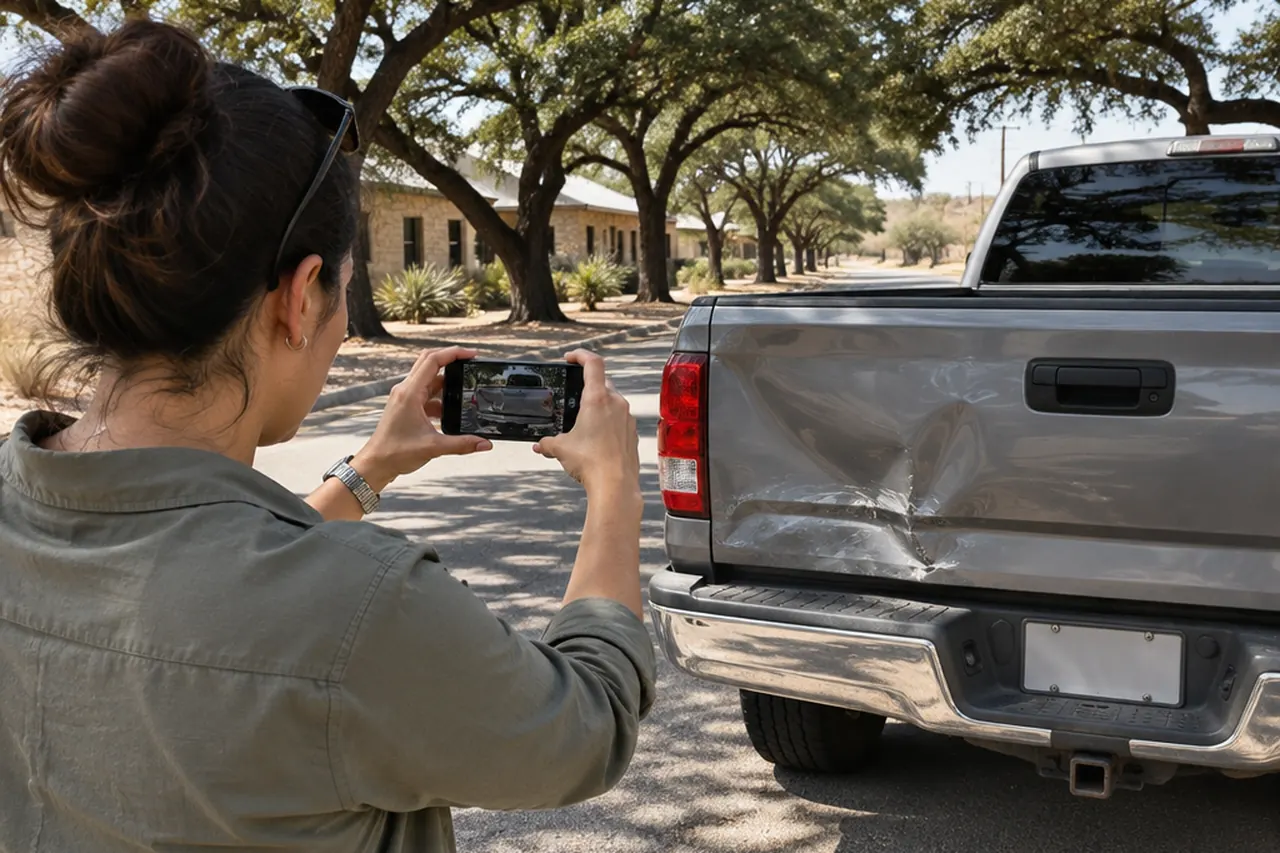
- Photograph all vehicles, plates, the scene and any injuries.
- Get contact information from witnesses and other passengers.
- Report the crash through the rideshare app. Keep a copy of what you send.
- Get medical care, even if you feel okay. See our injuries guide.
Request the crash report once it is available. Our crash report guide explains how.
Dealing With Several Insurers at Once
A rideshare crash can involve the rideshare company's insurer, the driver's personal insurer, the other driver's insurer and your own. Each may point at the others. A few guidelines:
- Do not give recorded statements to insurers other than your own until you understand your injuries and the coverage.
- Keep every message, email and claim number in one place.
- Check your own policy for personal injury protection and uninsured or underinsured motorist coverage. They may apply even when you were a passenger. See our uninsured driver page.
Our insurance claims guide walks through how these policies fit together.
Fault Still Matters
Even with large coverage in play, someone has to be found at fault. Texas divides fault by percentage, and an injured person's recovery is reduced by their own share. Passengers rarely carry any. Drivers on either side may. Our Texas car accident laws guide explains the rule and the general two-year lawsuit deadline.
Notes for Students and Service Members
If you are an Angelo State student, a parent's auto policy may cover you as a household member even if you were riding as a passenger. Service members at Goodfellow should keep their command informed if injuries affect training, and may have protections if a case conflicts with active duty.
Delivery Drivers Are a Different Question
The Texas rideshare insurance tiers described on this page are written for app-based services that carry passengers. Drivers delivering food, groceries or packages through an app may fall under different rules and different company policies. Some delivery companies carry coverage for their drivers while on a delivery, and some leave it mostly to the driver's personal policy, which may exclude business use.
If a delivery driver hit you, gather the same information you would in a rideshare crash: the driver's name, plate, personal insurance, and which app they were working for. Ask whether they were on an active delivery. That detail, like app status for rideshare, often decides which insurer is responsible. If the driver had no usable coverage, your own uninsured motorist coverage may help.
Sorting Out a Rideshare Claim
Because coverage turns on app data and several insurers may be involved, many people find it helpful to talk with an attorney. An independent attorney can explain which policies may apply. Start with a free case review or call (325) 292-0499.
Sources
- Texas Insurance Code, ch. 1954 — transportation network companies
- Texas Transportation Code, ch. 601 — motor vehicle safety responsibility
- Texas Insurance Code, ch. 1952 — PIP and UM/UIM coverage
- Texas Civil Practice & Remedies Code, ch. 33 — proportionate responsibility
- 50 U.S.C. ch. 50 — Servicemembers Civil Relief Act
Questions people ask
How much insurance does an Uber or Lyft driver have in Texas?
It depends on app status. During an accepted trip or with a passenger on board, Texas requires at least 1,000,000 dollars in liability coverage. With the app on and waiting for a request, the minimum is 50,000 per person, 100,000 per crash and 25,000 for property. With the app off, the driver's personal policy applies.
Can a rideshare passenger use their own insurance?
Possibly. Your own personal injury protection may pay some medical bills and lost income, and uninsured or underinsured motorist coverage may apply if the at-fault driver lacks enough insurance.
Is a rideshare driver covered by workers' comp?
Usually not, because rideshare drivers are generally treated as independent contractors. They may have claims against an at-fault driver and coverage through their own policy or the company's insurance, depending on the facts.
Keep reading

Free · about a minute
Find out if you have a case
Answer five quick questions and an independent San Angelo-area injury attorney's office will review your crash at no cost.
Prefer to talk? Call (325) 292-0499