First steps
After a Crash in San Angelo: A Practical Checklist
The minutes and weeks after a wreck shape your health and any claim. Here is what to do in order, with notes for crashes in town and out on the highway.
In this guide
No one plans for a wreck, so most people do not know what to do when it happens. Your body is full of adrenaline, traffic is moving around you, and someone may be asking questions you are not ready to answer. Use this page as a checklist. Save it on your phone, and do the steps that fit your situation.
At the Scene: The First Fifteen Minutes
1. Check for injuries and get safe
Look at yourself and your passengers first. If anyone is badly hurt, call 911 and do not move them unless there is fire or another immediate danger. If the cars can be driven and no one is seriously hurt, Texas law generally expects you to move them out of the travel lanes. On a busy road like the Houston Harte Expressway or Loop 306, getting to the shoulder can prevent a second crash.
2. Call the police
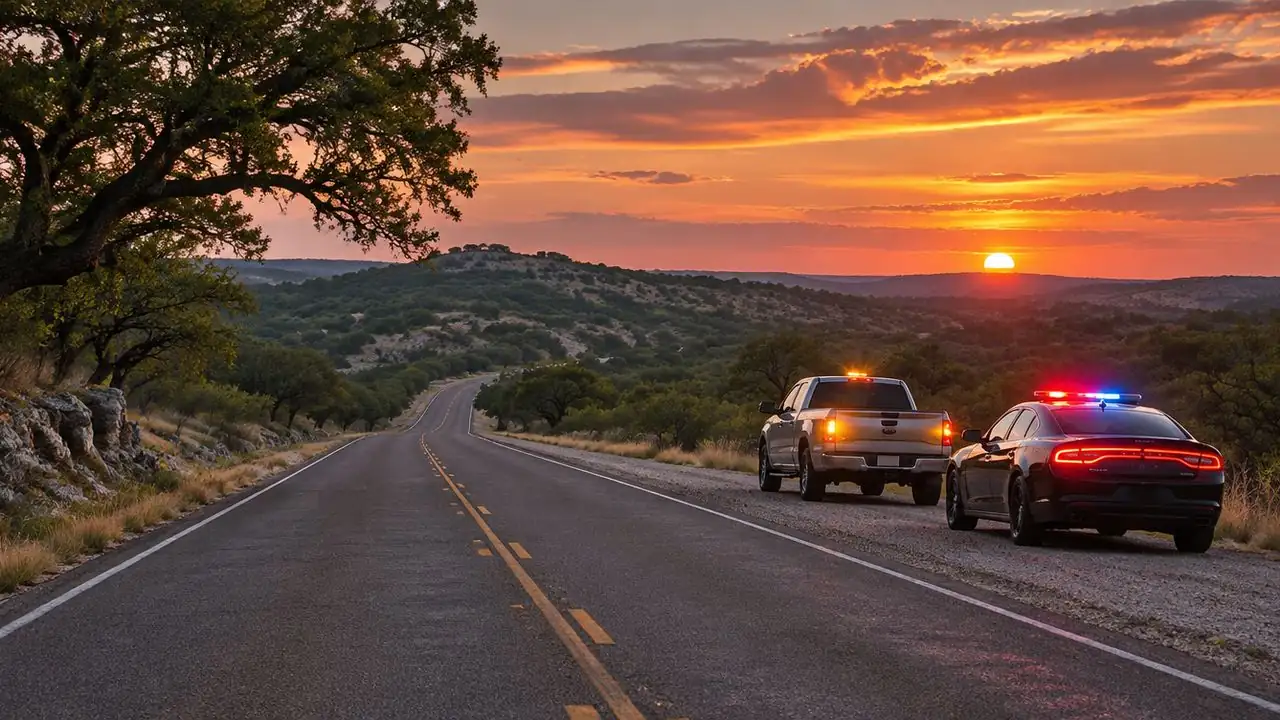
Texas requires you to report a crash right away when someone is hurt or killed or a vehicle cannot be driven. Inside city limits that call usually brings the San Angelo Police Department. Out on US-87, US-67, US-277 or a county road, it is more likely the Tom Green County Sheriff's Office or a Texas DPS trooper. Even in a smaller crash, a report gives you an official record. Our crash report guide explains how to get a copy later.
3. Trade information
Texas law requires drivers to exchange names, addresses, registration and insurance details. Get the other driver's license plate, insurance company and policy number. Take a photo of their insurance card and license if they let you.
4. Say less than you think you should
It is natural to say sorry. Try not to. Stick to facts with the officer, and do not guess at speeds or distances. If you are not sure whether you are hurt, say that instead of saying you are fine.
Capture the Scene Before It Disappears
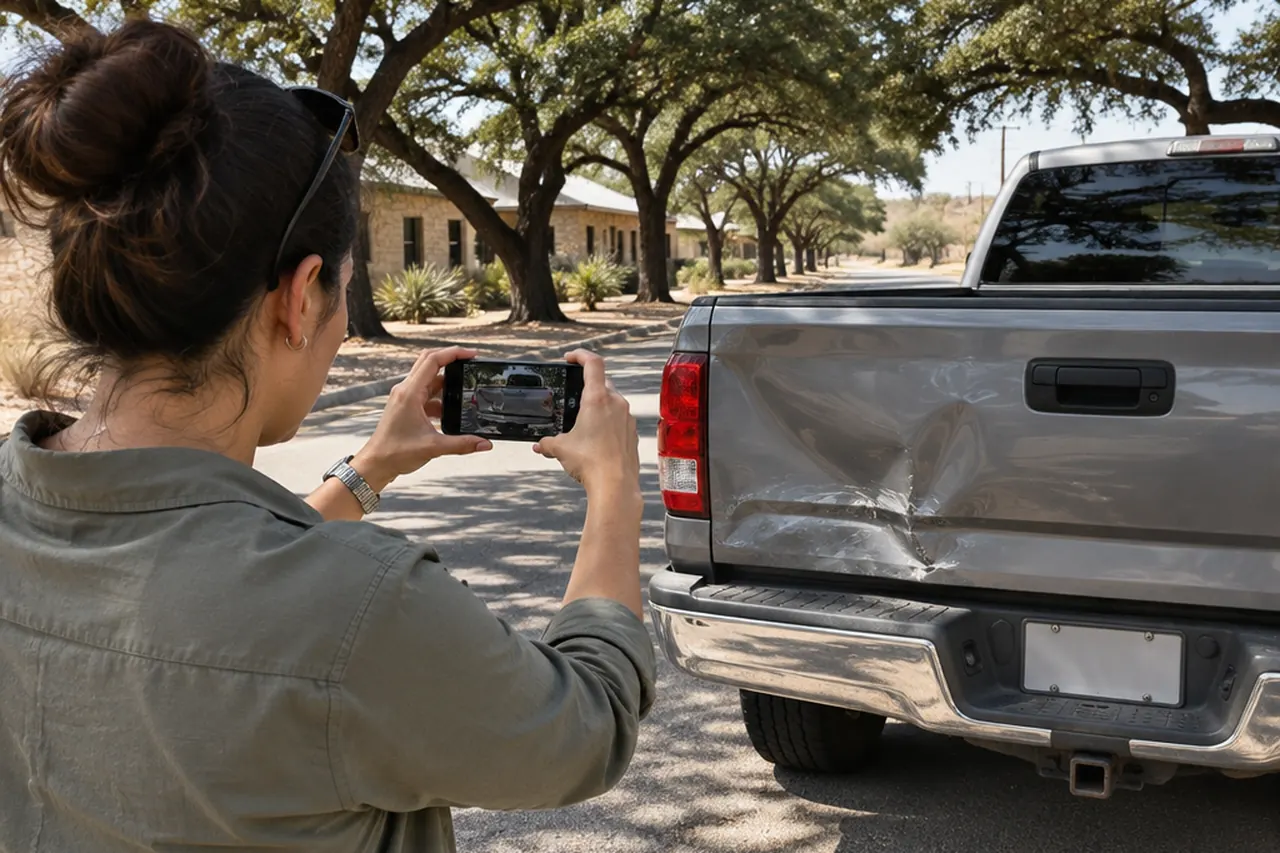
If you are able, use your phone to record:
- All vehicles from several angles, including plates and damage up close.
- Where the cars came to rest, skid marks, broken glass and debris.
- Traffic lights, stop signs, lane markings and anything blocking the view.
- Road and weather conditions such as standing water, hail, blowing dust or ice.
- Your visible injuries, then again over the next few days as bruising shows.
- Names and phone numbers of anyone who saw it happen.
Look around for cameras on businesses, homes and traffic poles. Footage is often recorded over within days, so note where they are.
See a Doctor Soon, Not Just When It Hurts
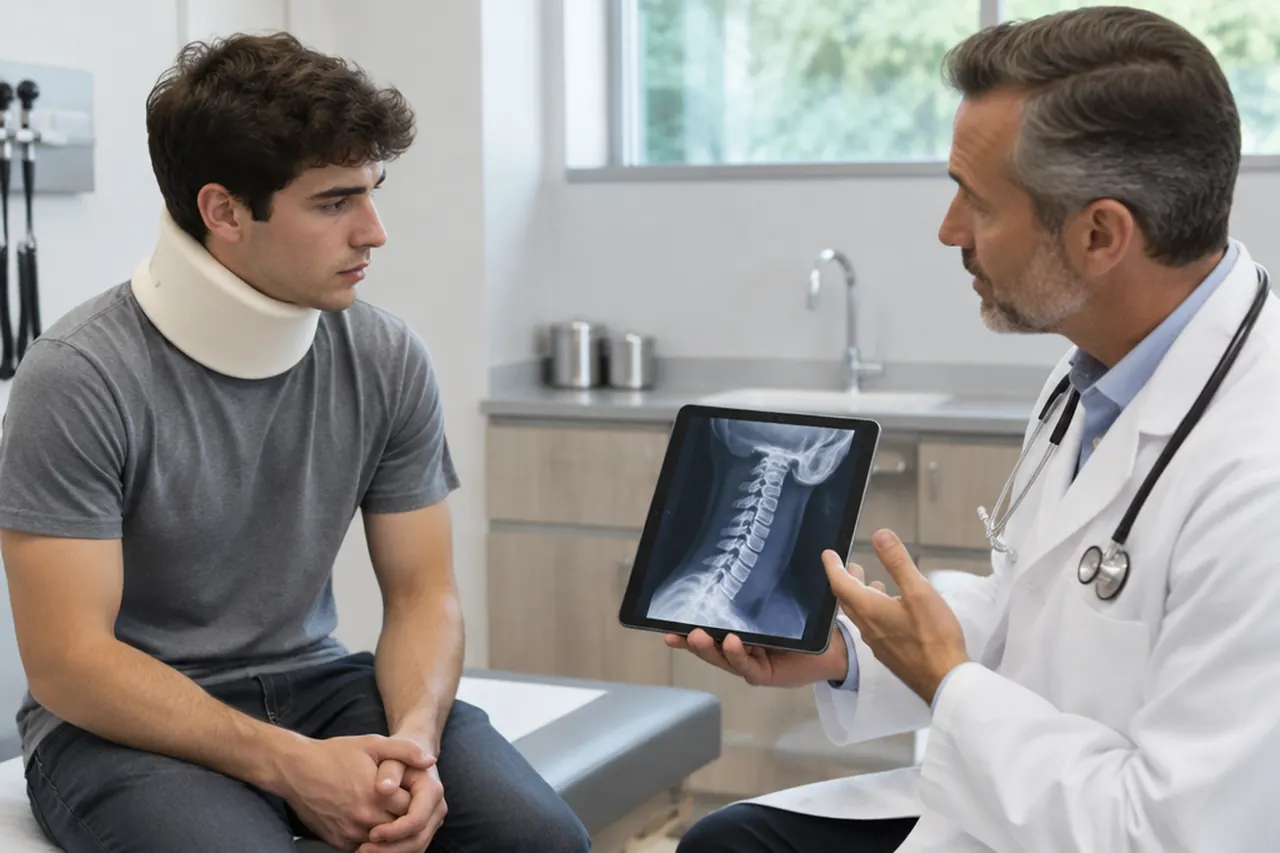
Feeling fine at the scene proves very little. Whiplash, concussions and back injuries commonly surface a day or more after the impact. Going to the emergency room, urgent care or your own doctor within a day or two looks after your health and also documents linking your injuries to the crash. In San Angelo, the main hospitals are Shannon Medical Center and San Angelo Community Medical Center. If you were hurt out of town, go to the nearest regional hospital.
After that, follow the treatment plan. Gaps in care are one of the most common reasons insurers lower an offer. Our injuries guide lists symptoms that should not be ignored.
The First Week: Paperwork and Phone Calls
Tell your own insurer
Your policy almost certainly requires you to report a crash promptly. Give the basic facts. You may have personal injury protection that pays medical bills and lost wages regardless of fault, unless you rejected it in writing.
Be careful with the other driver's insurer
The other company's adjuster may call quickly and sound friendly. You do not have to give them a recorded statement, and you should not sign medical authorizations or releases without understanding them. Our insurance claims guide covers what to say and what to skip.
Start a crash file
Keep everything in one place: the report number, photos, claim numbers, medical bills, receipts for prescriptions and mileage, and notes about missed work. A simple daily journal about pain, sleep and what you cannot do is useful months later when memory blurs.
If Your Crash Does Not Fit the Usual Pattern
- The other driver left. Call police immediately and write down anything you remember about the car. See our hit-and-run and uninsured driver page.
- You hit a deer or livestock. These are common on Concho Valley highways at dawn and dusk. Report it, photograph the scene, and check your comprehensive coverage.
- A big truck was involved. Commercial trucks carry data that can be lost. Read our truck accident page.
- You were working. If you were driving for your job, workers' compensation may apply, though many Texas employers do not carry it.
- You are in the military. Service members at Goodfellow Air Force Base may have special protections if a case overlaps with orders or deployment.
The Weeks Ahead
Do not post about the crash or your injuries on social media. Adjusters look. Keep up with appointments, and tell every doctor about every symptom, even ones that seem small. Get repair estimates and, if your car is totaled, ask how the value was figured.
Remember that Texas generally allows two years to file an injury lawsuit, and some claims against government bodies require notice far sooner. If you are hurt, the other side is blaming you, or the offer does not cover your bills, a free case review with an independent attorney can help you understand your options. You can also call (325) 292-0499.
Sources
- Texas Transportation Code, ch. 550 — accidents and accident reports
- Texas Insurance Code, ch. 1952 — PIP and UM/UIM coverage
- Texas Civil Practice & Remedies Code, ch. 16 — limitations
- Texas Civil Practice & Remedies Code, ch. 101 — Texas Tort Claims Act
- Texas Labor Code, ch. 406 — workers' compensation coverage
- 50 U.S.C. ch. 50 — Servicemembers Civil Relief Act
Questions people ask
Do I have to call the police for a minor crash in San Angelo?
Texas requires an immediate report when someone is injured or killed or a vehicle cannot be driven. For a truly minor crash it may not be required, but a police report still gives you an independent record that can matter if the other driver later changes their story.
How soon should I see a doctor after a car accident?
Ideally the same day or within a day or two. Some injuries, such as concussions and soft tissue damage, show symptoms later. A prompt visit protects your health and creates a medical record tied to the crash.
Should I accept the first offer from the insurance company?
Usually not while you are still treating. A signed release generally closes the claim for good, so later surgery or therapy would not be covered. It often makes sense to wait until your doctor has a clear picture.
Keep reading

Free · about a minute
Find out if you have a case
Answer five quick questions and an independent San Angelo-area injury attorney's office will review your crash at no cost.
Prefer to talk? Call (325) 292-0499