Rural Driving
Hit a Deer Near San Angelo: What Happens Next
Deer cross Concho Valley highways at dawn and dusk almost every day. If one ended up in your grille, here is how the insurance, the injuries and the rare fault questions usually play out.
In this guide
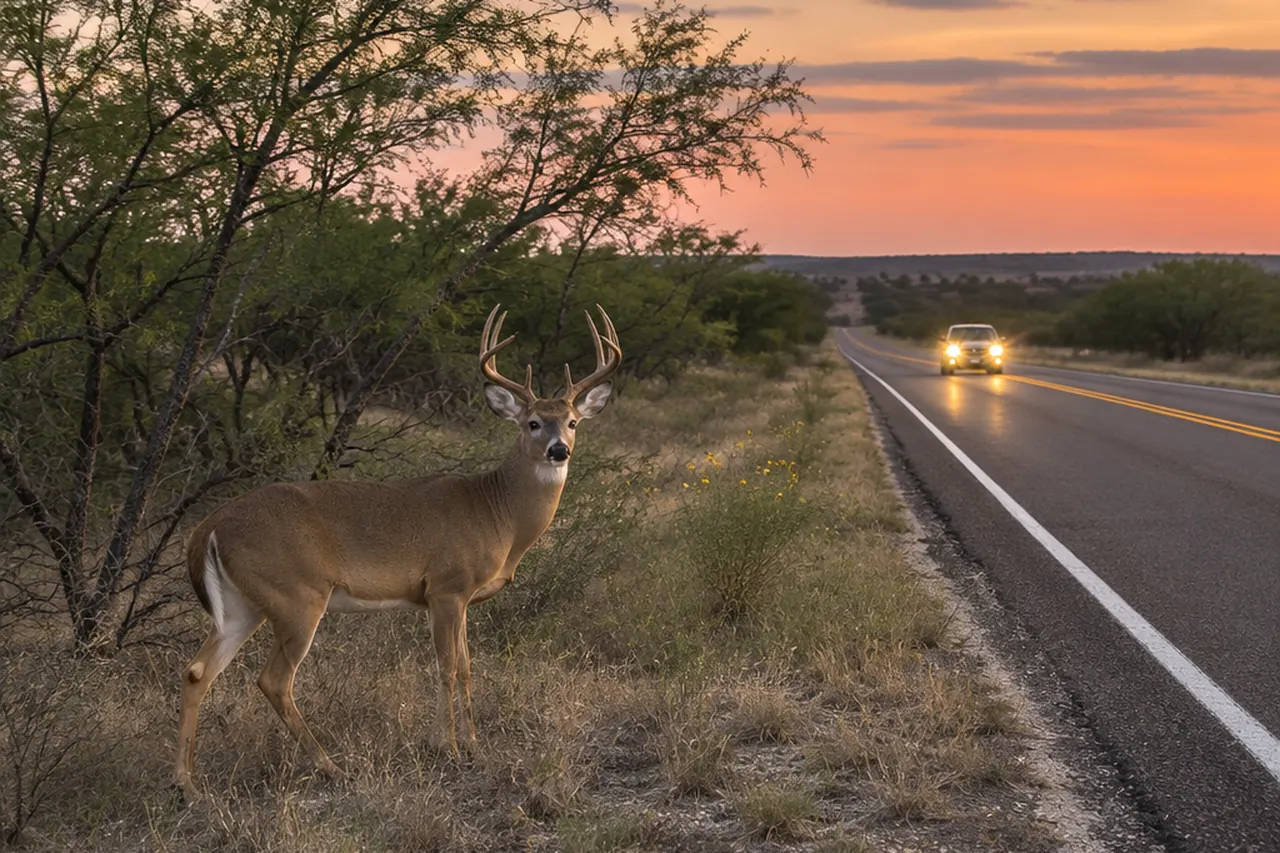
Anyone who drives US-87 toward Sterling City, US-277 toward Sonora or the ranch roads around Christoval at first light knows the feeling: a shape in the bar ditch, a pair of eyes, and a split second to decide what to do. Deer strikes are a routine part of life in West Texas. That does not make them minor. A full-grown buck can crush a hood, shatter a windshield and send a driver to the emergency room.
This guide covers the practical side: what to do in the first hour, which part of your policy pays, why the choice to swerve can change your claim, and the uncommon cases where a person, not an animal, may be responsible.
The first hour after the impact
Pull as far off the roadway as you safely can and turn on your hazard lights. Rural shoulders are narrow, and the next driver is facing the same poor light you were. Then:
- Check everyone for injuries. Neck and back pain often shows up hours later, after the adrenaline wears off.
- Stay away from the animal. An injured deer can kick hard. Leave it for law enforcement.
- Call for help if anyone is hurt or the car cannot be driven. Outside city limits that is usually the county sheriff's office or Texas DPS. Texas law requires a report to police when a crash causes injury or leaves a vehicle undrivable.
- Take photos. Get the damage, the animal if it is visible, skid marks, the road, and any landmark or mile marker that shows where you were.
Our step-by-step list in what to do after a car accident covers the rest of the scene.
Which part of your policy pays
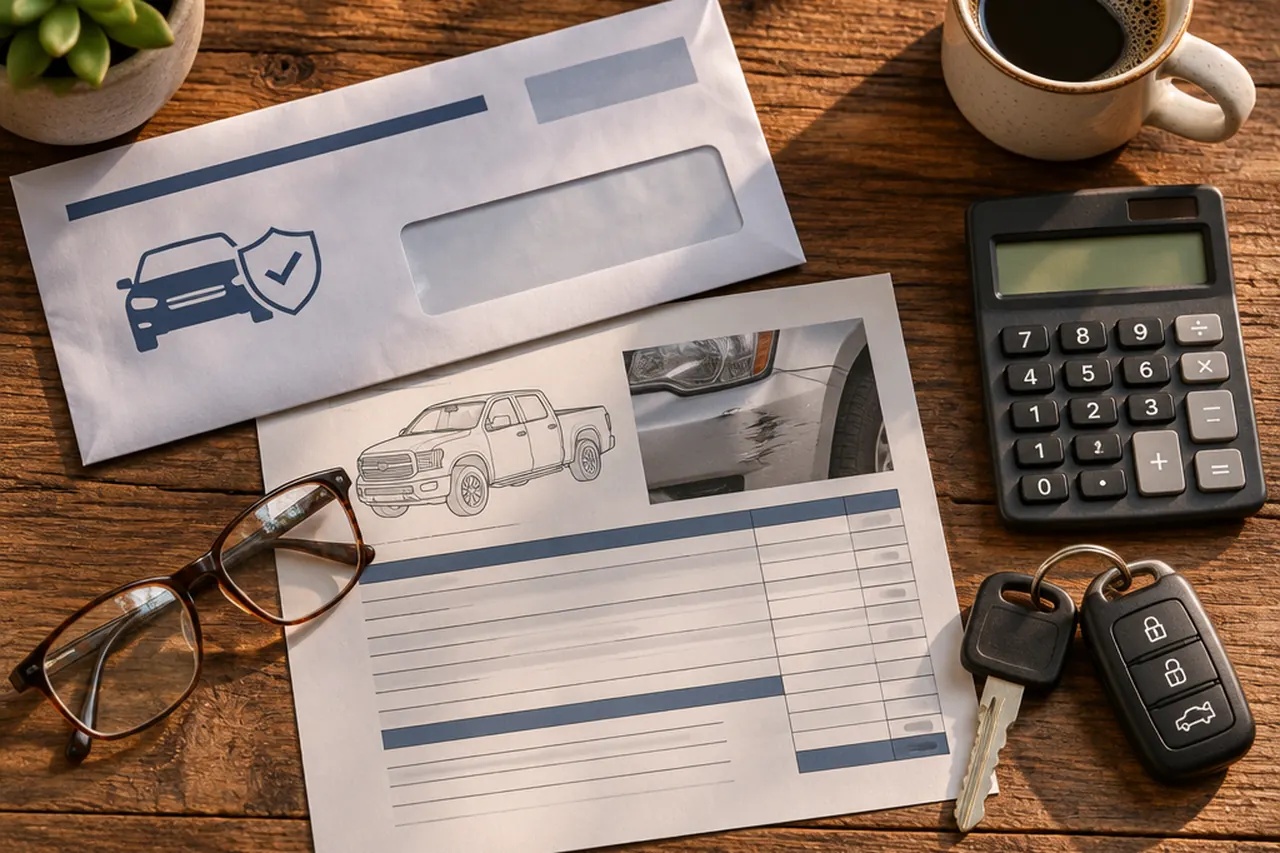
Hitting a deer is usually treated as a comprehensive loss, the same bucket as hail, theft or a falling limb. Comprehensive is optional in Texas, so check your declarations page. If you carry it, it generally pays to repair or replace your vehicle minus your comprehensive deductible.
Liability coverage, the part Texas requires, does not pay for your own car in a deer strike. It only covers damage you cause to other people.
For your injuries, look to personal injury protection (PIP). Texas insurers must include at least $2,500 of PIP unless you turned it down in writing. PIP generally pays medical bills and part of lost income no matter who caused the crash. Our post on Texas PIP coverage explains it in more detail. Health insurance can pick up where PIP stops.
Why swerving can change the claim
Driving instructors often say not to swerve for a deer, and there is an insurance reason behind the safety advice. If you brake and hit the deer, the damage usually falls under comprehensive. If you jerk the wheel, miss the deer and hit a fence post, a culvert or another car, many insurers treat that as a collision loss instead. Collision often carries a higher deductible, and a single-car collision may be viewed as your fault.
That does not mean you did anything wrong by reacting. It means you should describe what happened accurately and, if there was a deer, say so and save any proof that it was there: hair on the bumper, a photo of the animal, or a witness.
When a person may be responsible
Most deer strikes have no one to blame. A few situations are different:
- Another driver's reaction. If the car ahead slammed on its brakes and you rear-ended it, or a driver swerved into your lane to avoid a deer, ordinary fault rules apply. Texas uses modified comparative fault, so responsibility can be split, and a person found more than 50% at fault recovers nothing.
- Following too closely. Texas requires drivers to leave enough room to stop safely. A tailgater who hits you after you brake for a deer may be at fault for that second impact.
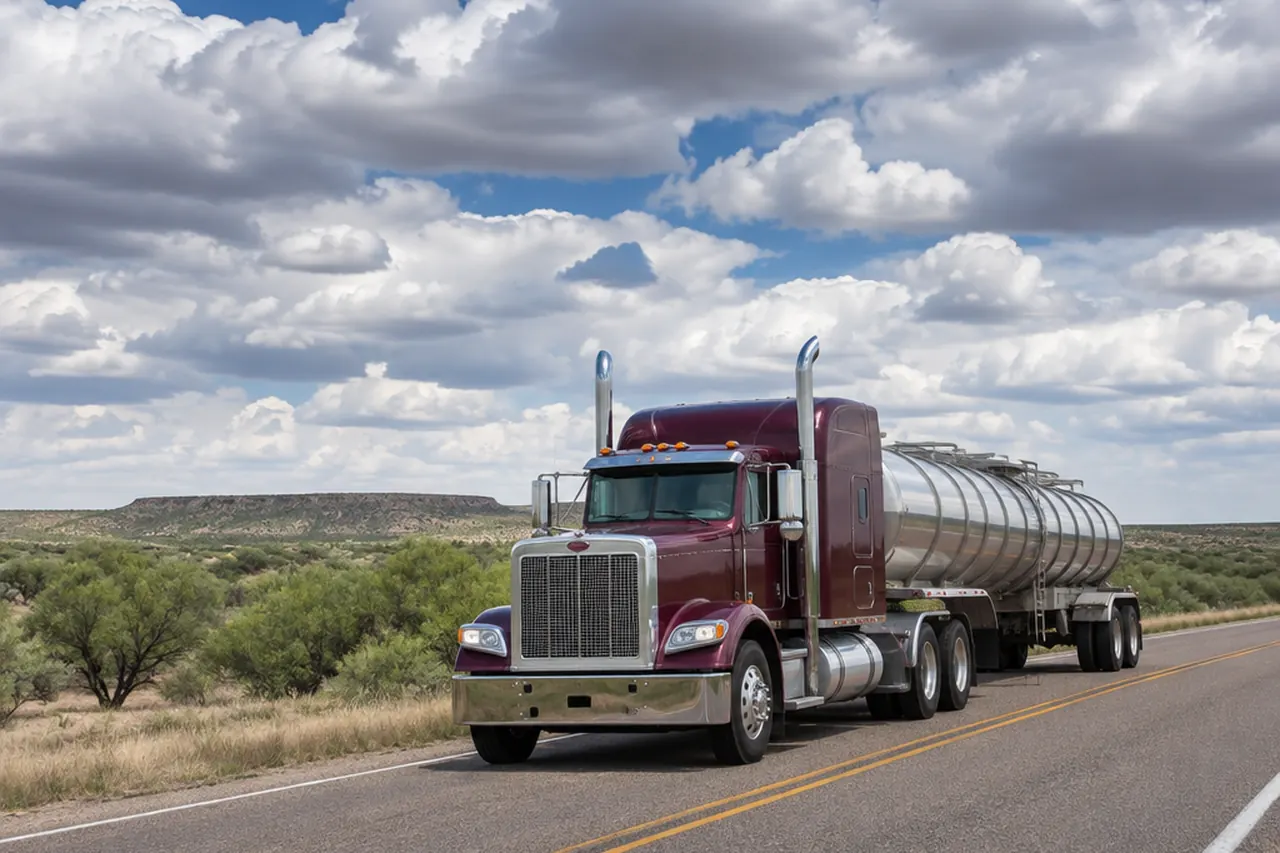
- A commercial vehicle. If a truck was involved, see our guide to truck accidents.
Loose cattle, horses and goats
Livestock is a different story from wildlife. Ranch country means cattle, horses and goats sometimes get through a gate or a downed fence. Under Texas Agriculture Code chapter 143, a livestock owner may not knowingly permit livestock to roam at large on a U.S. or state highway.
The key word is knowingly. An owner whose fence was cut overnight by someone else may not be liable. An owner who knew the fence was down for weeks and did nothing may be. Proving that usually takes investigation: brand or ear-tag information from the deputy, the condition of the fence, and whether neighbors had complained. Local rules for county roads can differ, so ask an attorney about where your crash happened.
If you hit livestock, tell the responding officer, ask that the owner be identified if possible, and photograph the fence line if you can do so safely.
Do not brush off the injuries
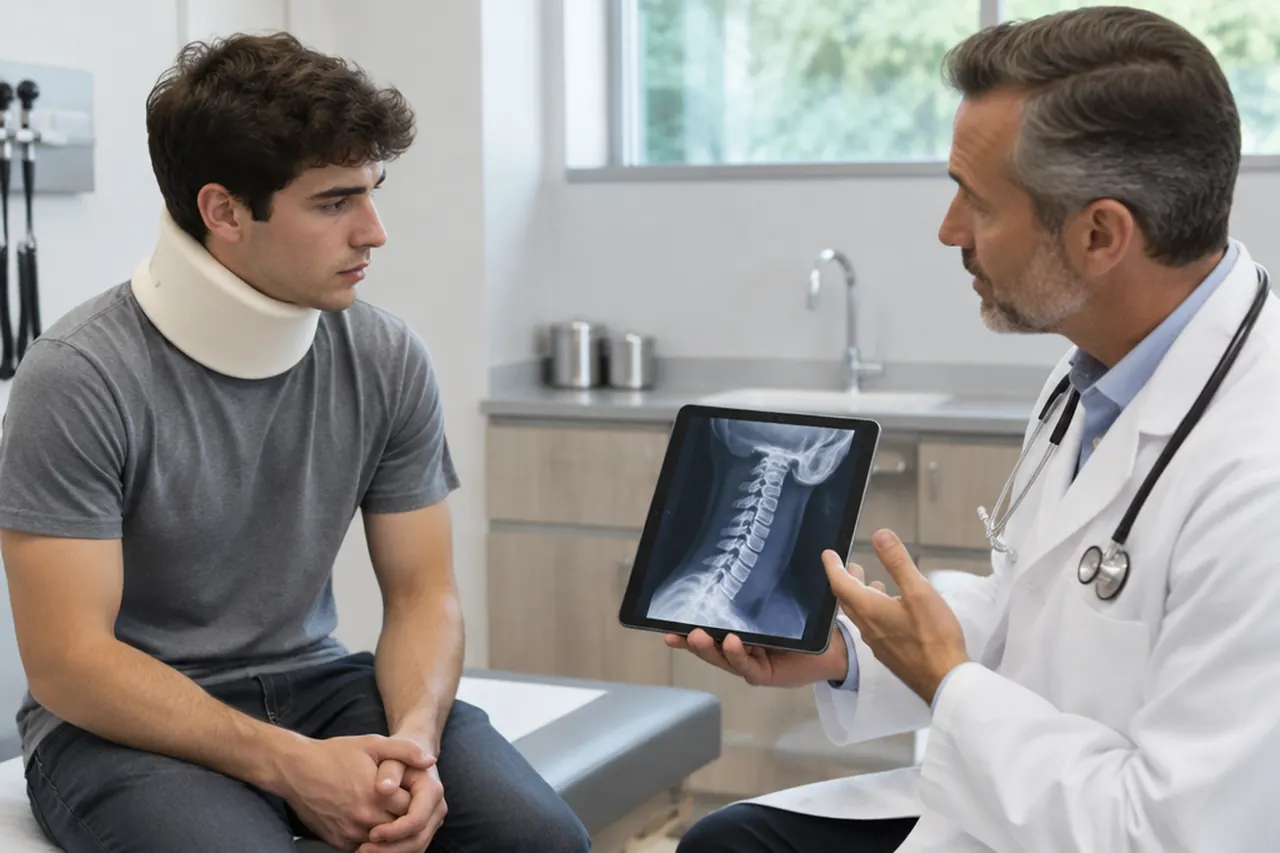
Deer crashes often hit the windshield and the roof pillar. That can mean head injuries, cuts from glass and whiplash from a hard stop. Shannon Medical Center and San Angelo Community Medical Center both serve the area. Getting checked the same day creates a record that ties your symptoms to the crash. Read more about common car accident injuries.
If another driver, a careless rancher or a company vehicle played a part, a free review can help sort out whether there is a claim. Call (325) 292-0499 or use the free case review form.
Sources
- Texas Agriculture Code, ch. 143 — livestock at large
- Texas Insurance Code, ch. 1952 — PIP and UM/UIM coverage
- Texas Transportation Code, ch. 550 — accidents and accident reports
- Texas Civil Practice & Remedies Code, ch. 33 — proportionate responsibility
- Texas Transportation Code, ch. 545 — operation and movement of vehicles
Questions people ask
Does hitting a deer raise my insurance rates in Texas?
Comprehensive claims such as animal strikes are generally viewed differently from at-fault collisions, but every insurer sets its own rating rules. Ask your agent how your company treats them.
Do I need to call police after hitting a deer?
Texas law requires a report to police when a crash causes injury or death or leaves a vehicle unable to be driven normally. Even when it is not required, a report can help support an insurance claim.
Can I sue a rancher if I hit a cow on the highway?
Possibly. Texas law bars livestock owners from knowingly letting animals roam at large on U.S. and state highways. Whether the owner knew is usually the central question, and it often takes investigation to answer.
Keep reading
Free · about a minute
Find out if you have a case
Answer five quick questions and an independent San Angelo-area injury attorney's office will review your crash at no cost.
Prefer to talk? Call (325) 292-0499