Fault Questions
Left-Turn Crashes in San Angelo: Sorting Out Who Pays
A left turn across two or three lanes of oncoming traffic is one of the riskiest moves in everyday driving. Texas starts with a clear rule about who yields, but the rule is only where the fault question begins.
In this guide
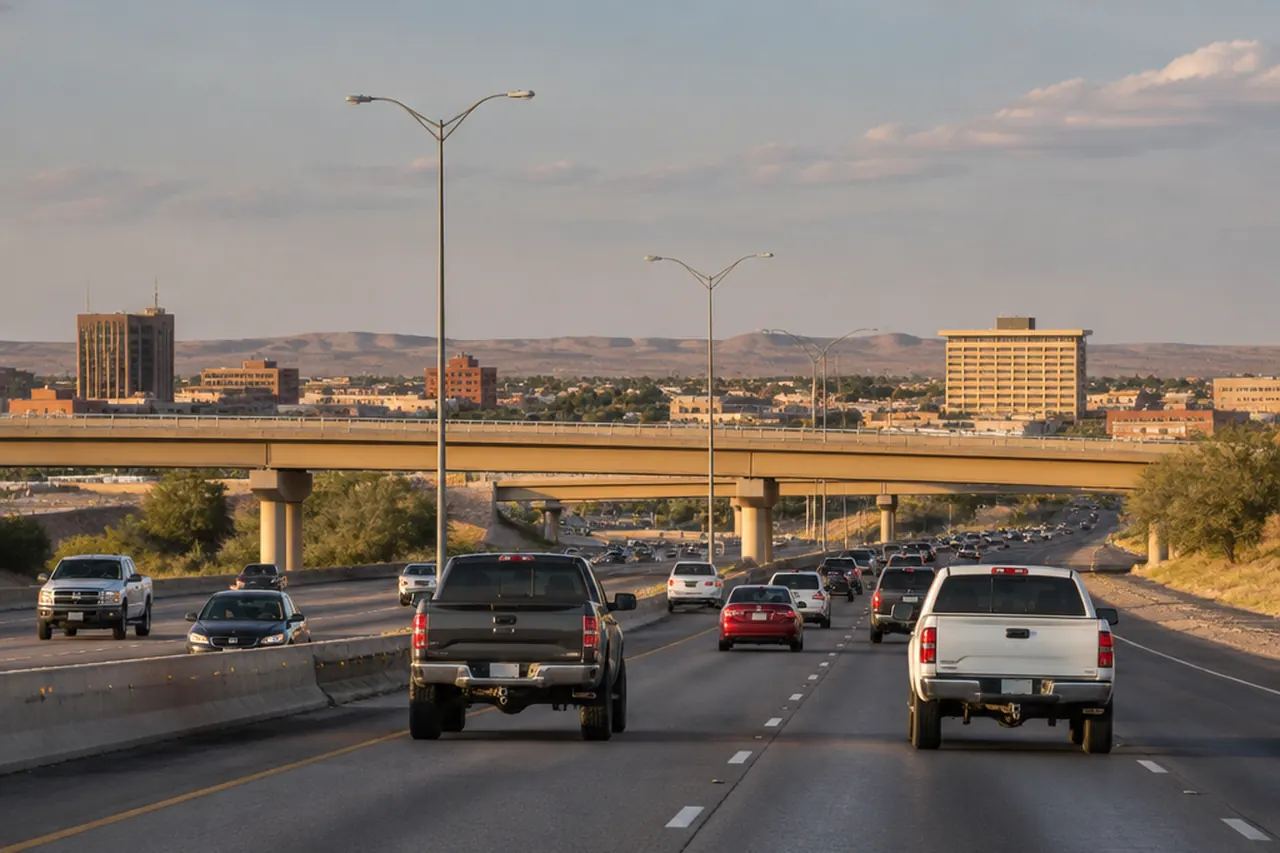
Picture a weekday afternoon on Sherwood Way. You are in the center lane, blinker on, waiting to swing into a parking lot. Oncoming traffic thins out, a gap opens, you go, and a pickup you never saw clips your passenger side. Or flip it around: you are driving straight down Knickerbocker Road and a car darts across your lane to reach a side street.
San Angelo has a lot of wide arterial streets with center turn lanes and driveways every few hundred feet. Those streets move traffic well, but they also ask drivers to judge speed and distance across several lanes, often with the sun low in the sky. That is a recipe for left-turn crashes.
The yield rule, in plain words
Section 545.152 of the Texas Transportation Code puts the burden on the person making the left. Whether you are turning at a crossroads or into a driveway, alley or private road, you must let oncoming vehicles go first if they are already in the intersection or are near enough to pose an immediate hazard.
Two parts of that sentence matter most:
- It covers driveways, not just intersections. Turning into a gas station or a restaurant lot counts.
- "Immediate hazard" is a judgment call. The turning driver does not have to wait for an empty road. They have to wait until oncoming traffic is far enough away to turn safely.
Because of this rule, insurers often start a left-turn claim by assuming the turning driver is at fault. That assumption is a starting point, not a verdict. Our overview of Texas car accident laws covers the other traffic rules that tend to come up.
Green ball, green arrow, flashing yellow arrow
What the signal showed often decides these cases:
- Solid green arrow. The turn is protected, meaning the opposing lanes are supposed to be holding at a red. If an oncoming driver came through anyway, the blame usually shifts toward them.
- Flashing yellow arrow. Many Texas signals now use this. It means you may turn left, but only after yielding to oncoming cars and to people in the crosswalk. It is permission with a condition attached, not a protected turn.
- Solid green light with no arrow. Same idea as the flashing yellow arrow: you may turn when it is safe, and you yield to oncoming traffic.
- Yellow or red. A driver caught in the intersection on a changing light is expected to clear it. An oncoming driver who speeds up to beat a red may share the blame.
When the straight-through driver carries part of the blame
Having the right of way does not give a driver permission to be careless. The oncoming driver may share fault if they were:
- Going well over the speed limit, which makes a reasonable gap disappear.
- Running a red light or a late yellow.
- Driving at night with headlights off.
- Looking at a phone. Texas bans texting while driving under section 545.4251.
- Passing on the right through a turn bay or driving in a lane that was not meant for through traffic.
- Hidden behind a stopped truck in the next lane and driving too fast for what they could see.
How split blame changes the outcome
Texas uses a modified comparative fault system in Civil Practice and Remedies Code chapter 33. A jury, or in practice an adjuster, assigns each driver a percentage. Your recovery is generally reduced by your own share. If you are found more than 50% responsible, you recover nothing from the other driver.
That 50% line is why left-turn claims get argued so hard. An insurer that can move a turning driver from 45% to 55% has gone from paying a reduced claim to paying nothing. If you were the one turning, do not assume you have no claim. If you were going straight, do not assume the other side will simply accept fault.
What actually proves the sequence
Left-turn crashes happen in a second or two, and drivers honestly remember them differently. Evidence fills the gap:
- Where the damage is. A hit to the front corner of the turning car tells a different story than a hit to its rear door.
- Business cameras. Strip centers, banks and fast-food places along the big streets often have cameras facing the road. Many record over themselves within days, so ask early.
- Dash cameras in either car or in a car nearby.
- Signal timing. In a disputed-light case, an attorney can ask the city for the signal's timing records.
- Vehicle data. Many newer cars store speed and braking data from the seconds before a crash.
- Witnesses, especially a driver who was stopped at the light and saw the whole thing.
- The crash report. The officer's notes and diagram matter. Learn how to get it in our guide to the San Angelo crash report.
If the other driver's version starts to shift after the fact, read what to do when the other driver changes their story.
Next steps after a left-turn wreck
T-bone and front-corner impacts in a left-turn crash hit the side of the car, where there is less metal between you and the other vehicle. Get checked, even if you feel shaken more than hurt; our page on car accident injuries explains what can show up later. Keep your statements to insurers short and factual until you know where fault is likely to land.
If you would like an independent Texas injury attorney to look at who was really at fault, call (325) 292-0499 or fill out the free case review form.
Sources
Questions people ask
Is the driver turning left always at fault in Texas?
No. Texas law requires the turning driver to yield, so they often carry most of the blame, but an oncoming driver who was speeding, ran a light or was distracted can share fault. Each driver's percentage depends on the evidence.
What does a flashing yellow arrow mean?
It lets you make the left once oncoming cars and anyone in the crosswalk have gone by. Nothing is holding the other lanes back, so a driver who turns into the path of an oncoming car on a flashing yellow arrow may be found at fault.
Can I recover anything if I was partly at fault for a left-turn crash?
Generally yes, as long as you are found 50% or less at fault. Your recovery is reduced by your share. Above 50%, Texas law bars recovery from the other driver.
Keep reading
Free · about a minute
Find out if you have a case
Answer five quick questions and an independent San Angelo-area injury attorney's office will review your crash at no cost.
Prefer to talk? Call (325) 292-0499