Property Damage
Your Car Got Towed After the Wreck. Now What?
A wrecked car sitting in a storage lot costs money every day it stays there. A few phone calls in the first 48 hours can keep those charges from growing into a second problem.
In this guide
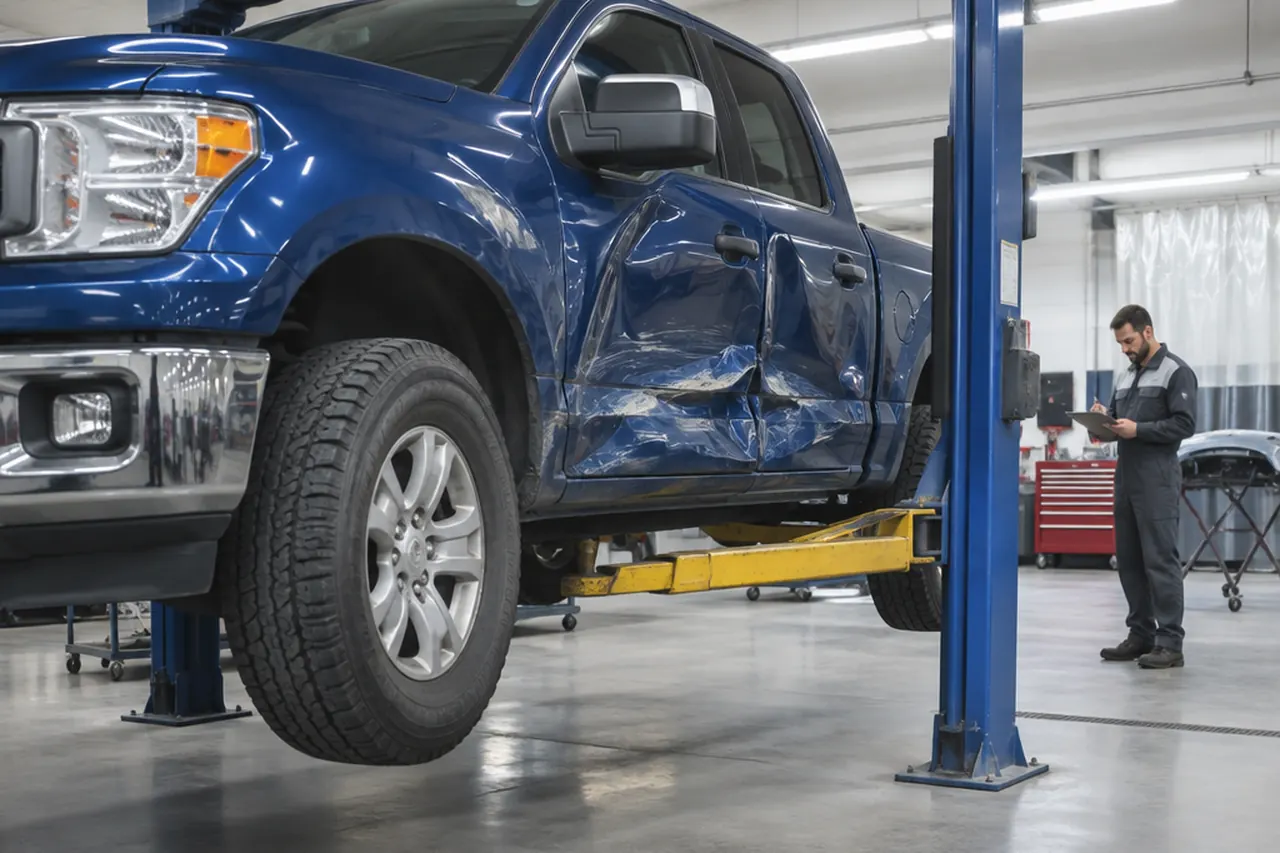
When a car cannot be driven after a crash, the responding officer usually has it hauled away. In the confusion you may not catch the tow company's name. A few days later you get a call, or you go looking, and learn the car is in a fenced lot across town with a bill that grows each morning.
Here is how to find the car, who is supposed to pay, and how to keep the fees under control.
Step one: find out where it went
- Ask the officer at the scene for the tow company's name, or look for it on the paperwork you were given.
- Call the agency that worked the crash. Inside the city that is usually the San Angelo Police Department. On the highways and county roads it may be the Tom Green County Sheriff's Office or Texas DPS. They keep a record of police-requested tows.
- Check the crash report once it is ready. Our San Angelo crash report guide explains how to get one.
If you were taken to the hospital, ask a family member to start these calls for you. Days matter.
Who sets the rules for tow and storage companies
The state agency that licenses tow trucks and vehicle storage lots in Texas is the Texas Department of Licensing and Regulation (TDLR). State rules limit certain fees, require storage lots to post their charges and give itemized receipts, and give vehicle owners a way to file a complaint. Some fees for police-requested tows may also be set by local rules.
That does not mean every charge on your bill is wrong. It does mean you can ask for an itemized statement, ask what each line is for, and question anything that looks off. If a fee seems out of line, TDLR's website explains how to file a complaint.
Who ends up paying
Towing and reasonable storage are generally part of your property damage claim. Several sources may cover them:
- The at-fault driver's liability insurance. Texas requires at least $25,000 in property damage coverage. That insurer may pay towing and storage, but often only after it accepts that its driver caused the crash. It may push back on storage that built up because nobody moved the car.
- Your own collision coverage. If you have it, your insurer can step in sooner, subject to your deductible, and then seek repayment from the other company.
- Roadside or towing coverage on your policy, or through a membership club, may pay part of the tow.
- Uninsured motorist property damage coverage, if you have it, may help when the other driver had no insurance. See our page on uninsured and hit-and-run crashes.
The Texas Department of Insurance has consumer guides on auto claims, including what to expect from an insurer after a crash.
What to do in the first 48 hours
- Report the claim to the insurer you expect to pay, and to your own insurer if you have collision coverage.
- Tell the adjuster exactly where the car is. Give the lot's name, address and phone number, and ask how soon they can inspect it.
- Ask whether they want to move it to a body shop or their own salvage yard, where storage is often cheaper or free.
- Get your belongings out. Generally you can retrieve personal items from a stored car. Bring your ID and proof of ownership. Take the garage remote, child seats, paperwork and anything with your address on it.
- Photograph the car in the lot before anyone moves it again.
- Keep every receipt: the tow, the storage, any release fee and the cost of a ride to the lot.
If the car is a total loss
If the insurer decides the car is not worth fixing, it will usually take ownership once you sign the title and release paperwork. Until that happens, storage can keep building. Sign the paperwork promptly once you agree with the valuation, or ask the insurer in writing to take over storage while you dispute it. If you still owe on a loan, tell the lender right away so the title can move.
Before you hand over the car, make sure anything that might be evidence has been photographed. In a serious crash, an attorney may want the vehicle inspected or its event data downloaded before it is sold for salvage.
If you have to pay to get it out
Sometimes the only way to stop the clock is to pay the lot yourself. If that happens, get an itemized receipt and add the amount to your claim. Paid-out-of-pocket towing and storage are generally recoverable from the at-fault driver along with your repair costs, rental and other losses. Our guide to insurance claims covers how property damage is usually handled.
If you were also hurt, the property claim and the injury claim can move on different tracks. An independent Texas injury attorney can explain how they fit together at no cost. Call (325) 292-0499 or start a free case review.
Sources
Questions people ask
Who regulates towing and storage fees in Texas?
TDLR, a state agency, issues the licenses that tow operators and storage lots need. State rules limit certain fees and require storage lots to post their charges. Some fees for police-requested tows may also be set locally.
Will the at-fault driver's insurance pay my storage fees?
Often, as part of your property damage claim, but usually after it accepts fault. It may refuse storage that built up because the car was not moved, so tell the insurer where the car is right away.
Can I get my things out of my car at the storage lot?
Generally yes. Bring a photo ID and proof that you own the car or have the owner's permission, and call ahead to ask about the lot's hours and rules.
Keep reading
Free · about a minute
Find out if you have a case
Answer five quick questions and an independent San Angelo-area injury attorney's office will review your crash at no cost.
Prefer to talk? Call (325) 292-0499