Student Drivers
Car Accidents and College Students in San Angelo
A crash during the semester raises questions most students have never had to answer, starting with whose insurance policy you are actually on.
In this guide
Angelo State University draws students from all over Texas and beyond. Many are new to San Angelo, driving a car registered at a parent's address, and juggling classes, a job and a tight budget. A crash in the middle of all that is stressful. This post walks through the questions students and parents tend to ask, in the order they usually come up.
Right after the crash
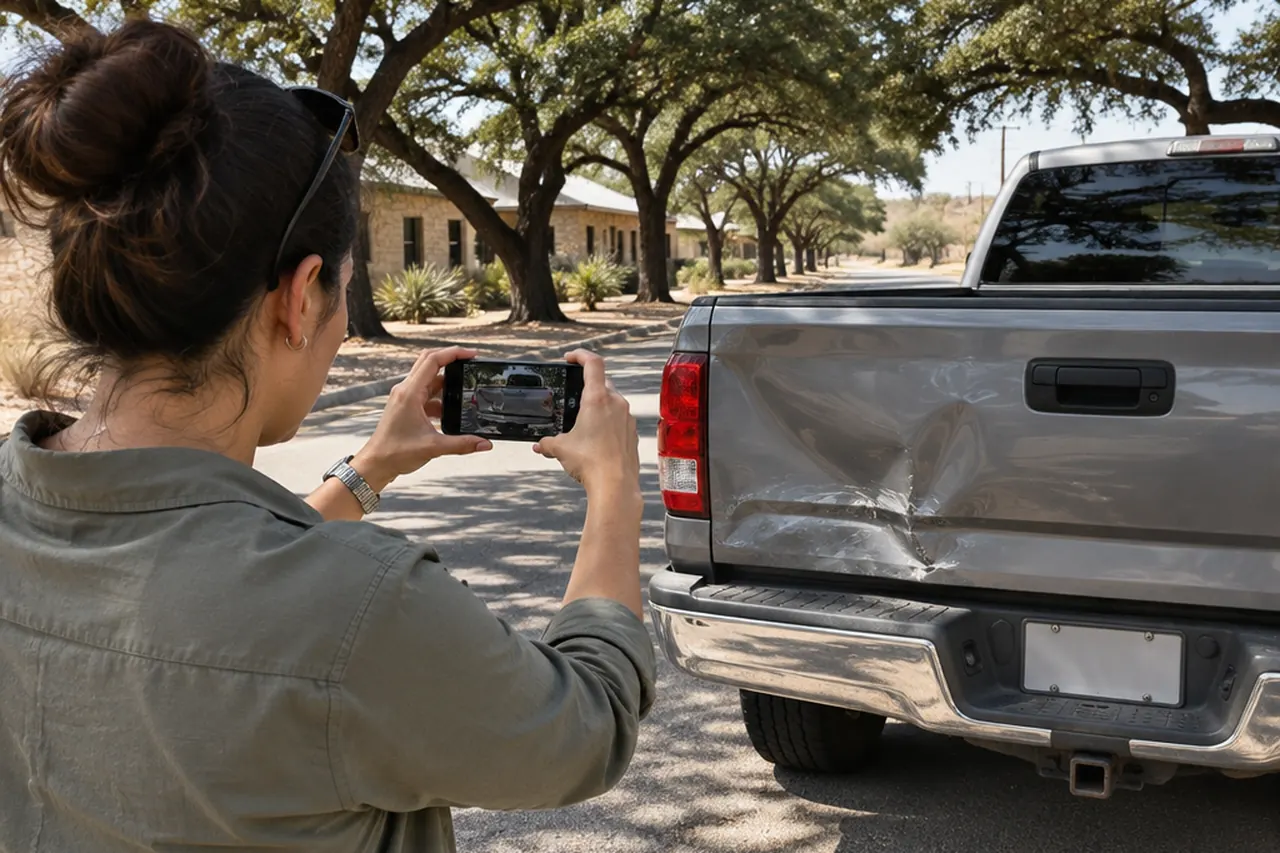
The basics are the same for everyone: move to safety if you can, call 911 if anyone is hurt, exchange information, and take photos. Inside the city, the San Angelo Police Department usually responds. Texas law requires you to report a crash to police when someone is hurt or killed or a vehicle cannot be driven.
Students sometimes skip the doctor because they feel fine or worry about cost. Pain from whiplash and concussions often appears a day or two later. A visit to urgent care or the emergency room creates a record tying your symptoms to the crash. See common car accident injuries for warning signs.
Whose insurance covers you?
This is the question that confuses most families. The answer depends on the policies involved, but here is how it often works.
If you drive a car on your parents' policy
Many students keep their car on a parent's policy. Auto policies often cover "resident relatives" of the household. Whether a student living in a dorm or apartment still counts as a resident of the parents' home depends on the policy's wording and the facts, such as where you are registered to vote, where your belongings are and where you return on breaks. Many policies treat students away at school as still part of the household, but not all do.
If you are a passenger
Riding with a friend? The driver's policy is often the first place to look for PIP and liability coverage. If the other car caused the crash, that driver's liability insurance is usually the main source of payment for your injuries.
If you have your own policy
Your own coverages apply, including PIP. Texas policies include at least $2,500 of PIP unless it was rejected in writing. Read our PIP explainer.
If the other driver had no insurance
Uninsured motorist coverage on your policy, or a parent's, may help. See the uninsured and hit-and-run page.
A good first step is to have a parent call their agent and ask, in writing if possible, whether you are covered as a household member.
If you are from out of town
Out-of-town and out-of-state students face a few extra hurdles:
- Your policy may be from another state. It generally still follows you when you drive in Texas, but coverage types and limits differ from Texas policies.
- Your doctor may be back home. Get evaluated in San Angelo first, then keep records from both places. Shannon Medical Center and San Angelo Community Medical Center serve the city.
- Summer break. If you leave town for the summer, insurers will still call. Give them a working number and address, and keep copies of everything.
- Texas law decides fault. A crash in San Angelo is generally judged under Texas rules, including the two-year lawsuit deadline.
Driving and walking around campus
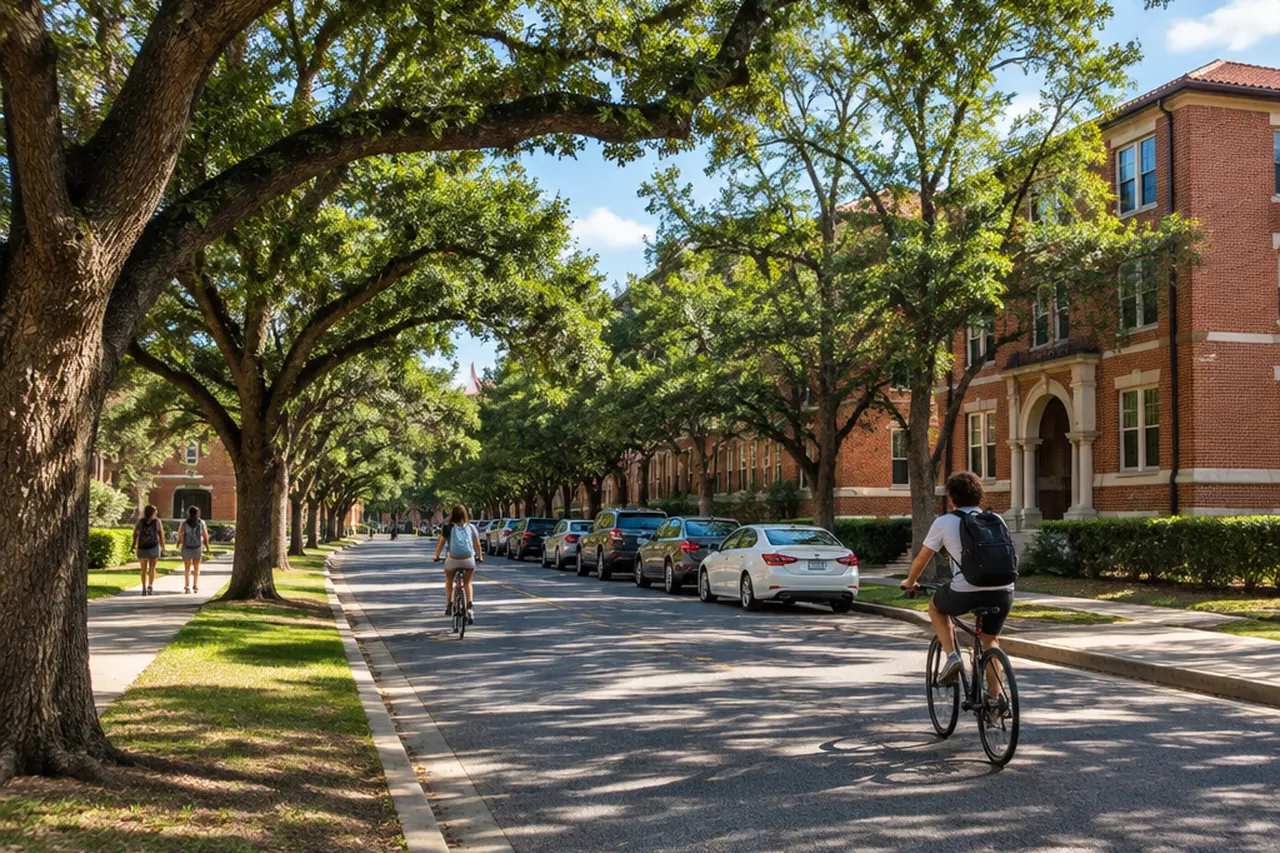
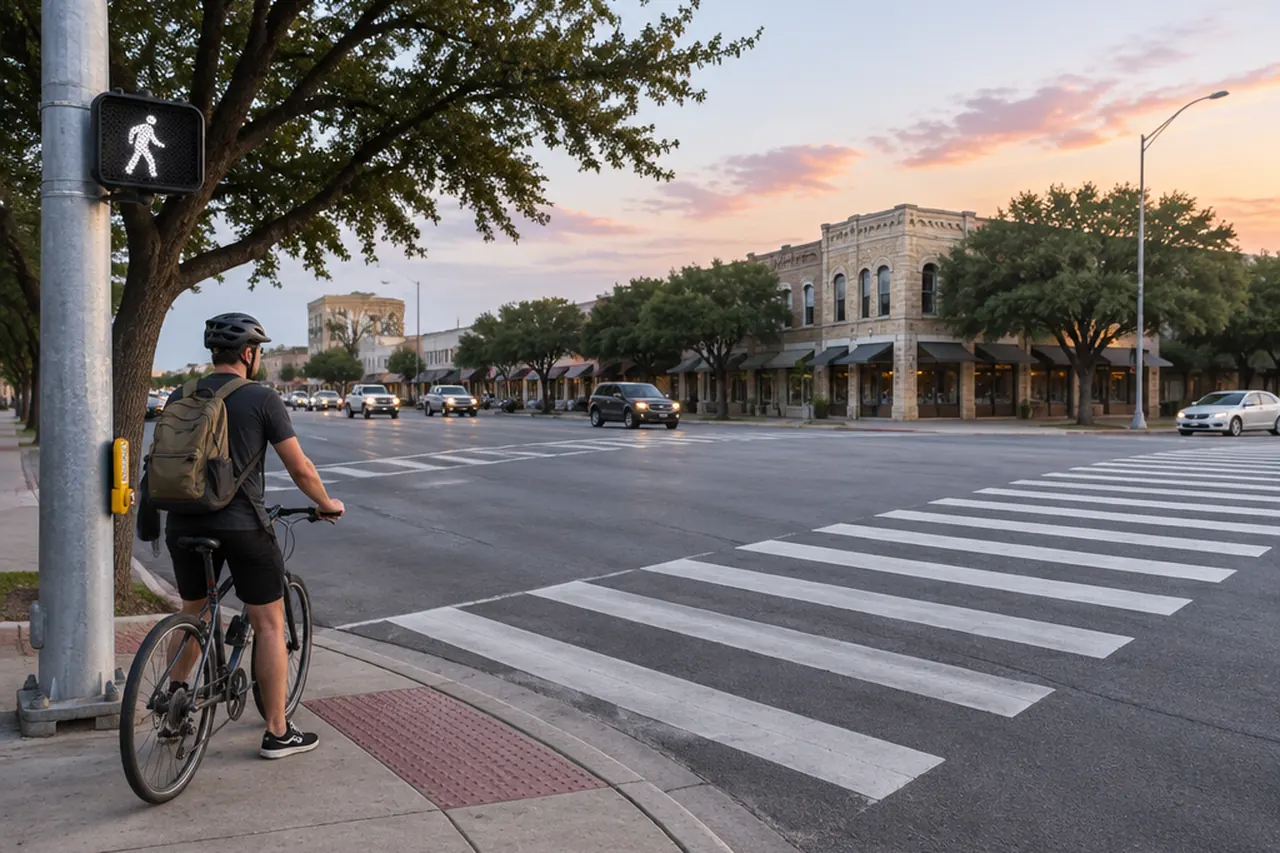
Campus areas mix drivers, cyclists and people on foot, often at the same hour when classes let out. Students also use busy city streets like Sherwood Way, Knickerbocker Road and College Hills Boulevard to get to work and shopping. A few things to keep in mind:
- Texas bans texting while driving. Drivers under 18 face a broader ban on phone use.
- Drivers must yield to pedestrians in crosswalks.
- Left turns across traffic are a common source of crashes. The turning driver generally must yield.
If you were hit while walking or riding a bike, our pedestrian and bicycle accident guide covers your options.
Missed classes, jobs and money
Students often lose shifts at a part-time job after a crash. Lost wages can be part of a claim, so keep pay stubs and a note from your manager about missed hours. Keep track of other costs too: rides, prescriptions and copays. If your injuries affect your coursework, talk to the university's student services office about your options, and keep any related records.
Talk it through
Insurance adjusters may call a young driver hoping for a quick statement or settlement. You do not have to decide anything on the first call. Our post on recorded statements explains why. For a free review with an independent Texas injury attorney, call (325) 292-0499.
Sources
- Texas Insurance Code, ch. 1952 — PIP and UM/UIM coverage
- Texas Transportation Code, ch. 545 — operation and movement of vehicles
- Texas Transportation Code, ch. 552 — pedestrians
- Texas Transportation Code, ch. 550 — accidents and accident reports
- Texas Civil Practice & Remedies Code, ch. 16 — limitations
Questions people ask
Am I covered by my parents' car insurance at college?
Often, but not always. Many policies cover resident relatives, and many treat students away at school as still part of the household. The exact policy wording controls, so ask the insurer to confirm.
I go home for the summer. Does that affect my claim?
Not usually. You can generally continue a Texas claim from anywhere. Stay reachable, keep copies of your records and keep the two-year lawsuit deadline in mind.
Should my parents talk to the insurance company for me?
If you are an adult, the insurer will usually want to hear from you directly, though a parent can help you gather documents. Be careful about giving a recorded statement to the other driver's insurer.
Keep reading

Free · about a minute
Find out if you have a case
Answer five quick questions and an independent San Angelo-area injury attorney's office will review your crash at no cost.
Prefer to talk? Call (325) 292-0499