Rural Highways
Passing Gone Wrong: Head-On Crashes on Two-Lane Highways
Outside San Angelo, the four-lane roads narrow to two, and the only way around a slow truck is the oncoming lane. When a pass goes wrong, the crash is usually head-on and the questions are hard.
In this guide
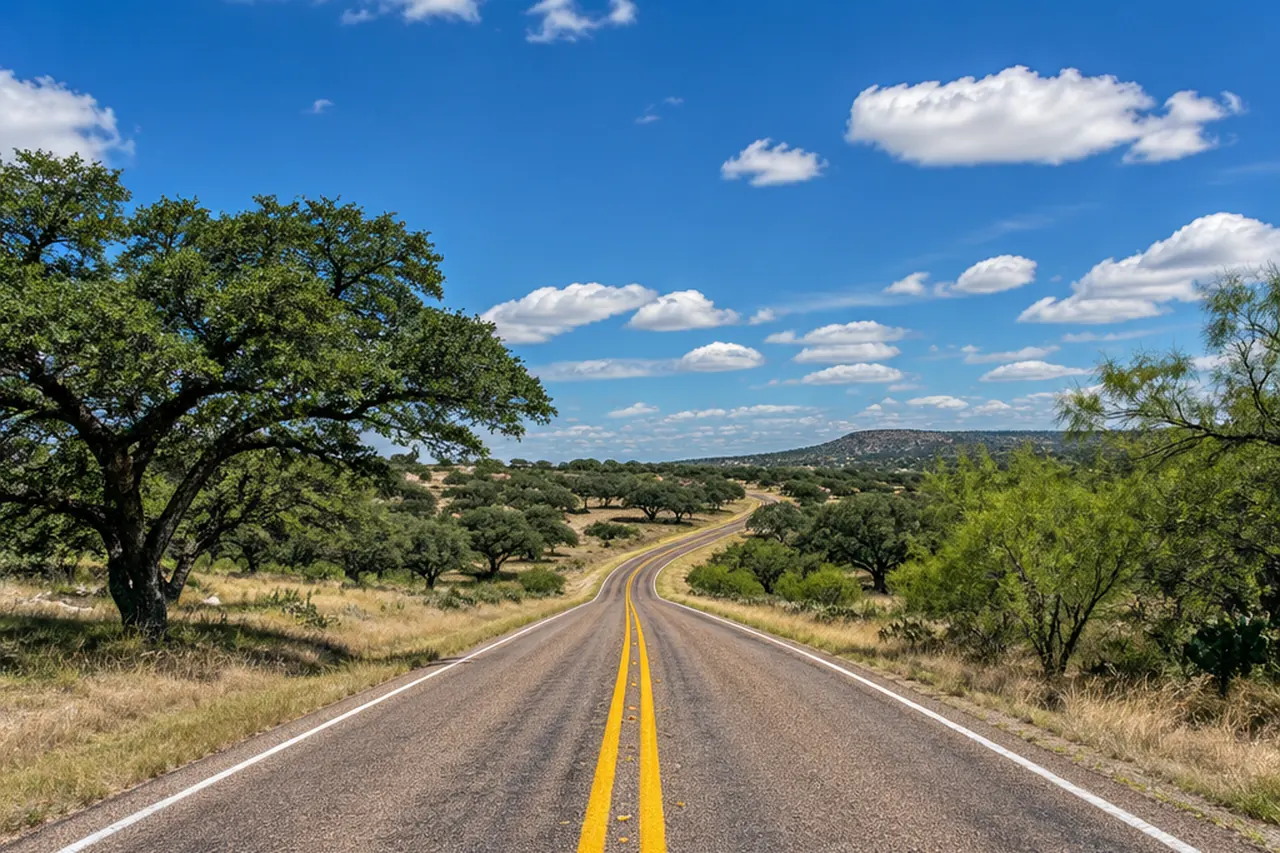
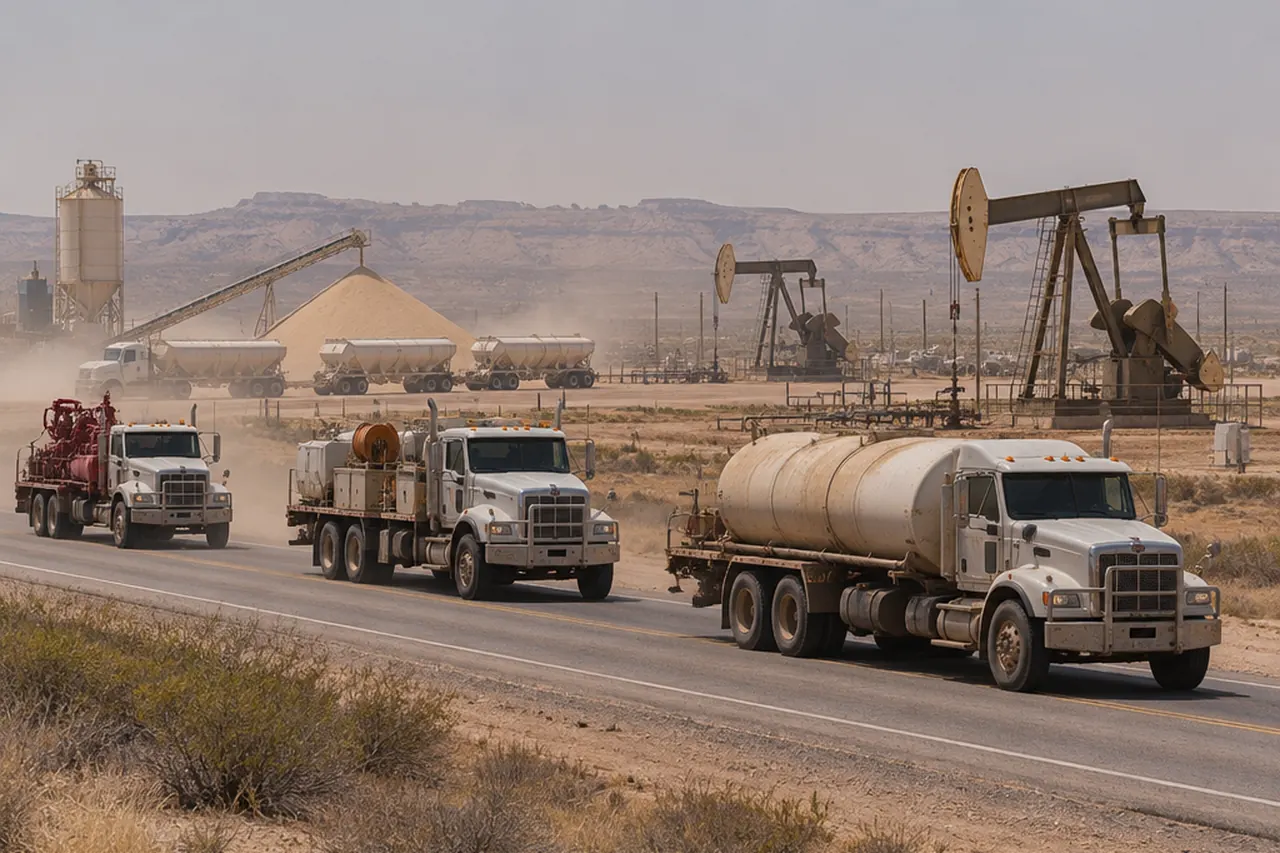
Drive out of town on US-67 toward Mertzon and Big Lake, US-277 toward Bronte or Eldorado, or US-87 toward Sterling City, and you soon find yourself on a two-lane road behind something slow: a stock trailer, a hay hauler, a water truck heading to a well site. The road is straight, the oncoming lane looks empty, and someone decides to go for it.
Most passes end fine. The ones that do not tend to end in the worst kind of crash, with two vehicles meeting nose to nose at highway speed.
How a pass turns into a head-on crash
- Misjudged distance. On a long, flat stretch, an oncoming car can be closer and faster than it looks, especially at dusk or into the sun.
- A hill or a curve. The view looked clear until a rise hid a pickup coming the other way.
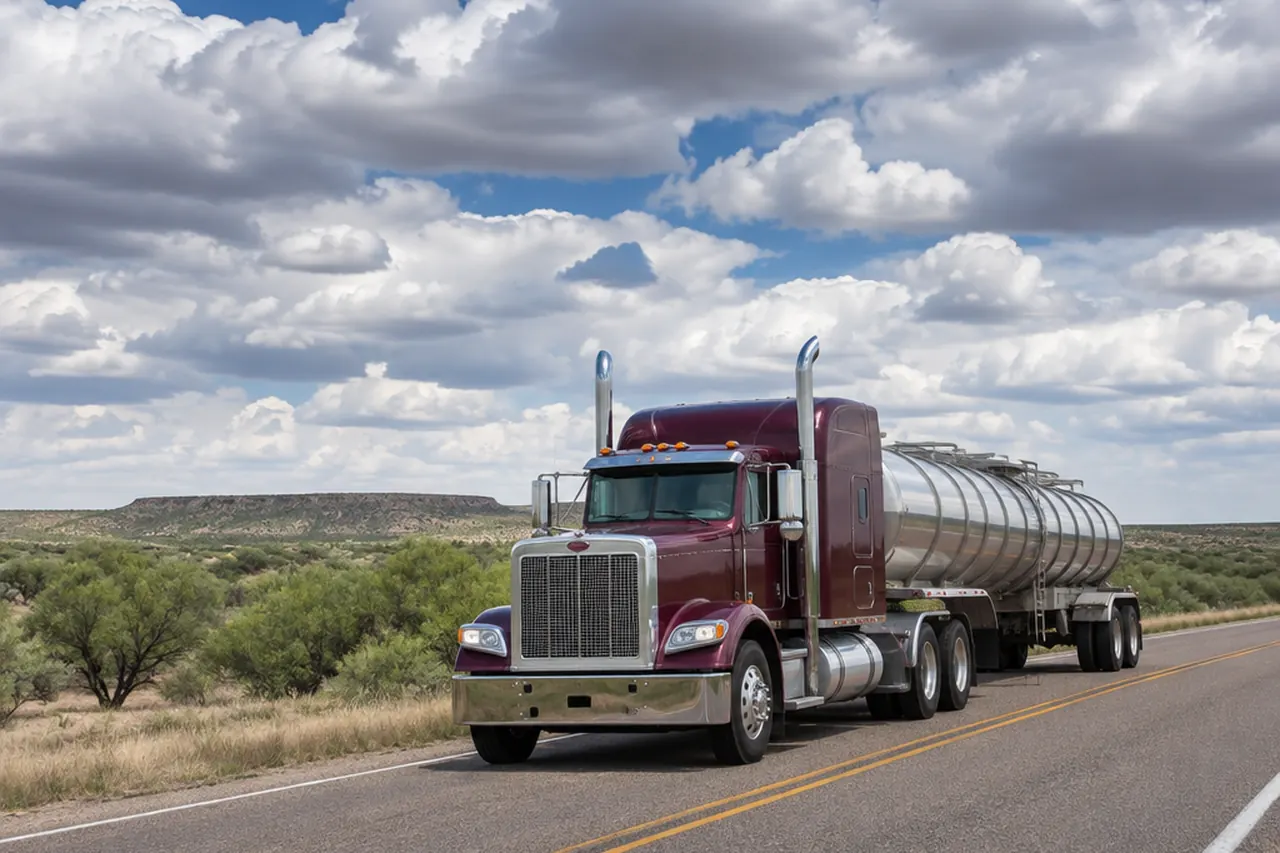
- A long load. Passing a semi or a truck with a trailer takes far more road than passing a car.
- The slow vehicle speeds up, leaving the passing driver stuck in the wrong lane.
- A chain of passes. One driver follows another out into the lane without seeing what the first could see.
- Dust, rain or darkness that cuts visibility to a fraction of what the driver assumed.
- A turning vehicle. The slow truck ahead was signaling a left turn into a ranch gate and the passing driver did not notice.
Deer add another wrinkle. A driver who swerves for an animal and crosses the center line can cause a head-on crash without ever trying to pass. Our post on deer collisions covers that side.
What Texas law says about passing
Chapter 545 of the Texas Transportation Code sets out the rules for passing. Speaking generally, a driver may move left to go around another vehicle only if they can see far enough down the road to know the oncoming lane will stay empty long enough to finish, must return to the right lane before coming within a dangerous distance of an oncoming vehicle, and must obey no-passing zones marked by signs and solid yellow lines. Passing near the crest of a hill, on a curve, or close to an intersection or railroad crossing is generally off limits.
The driver being passed has duties too. They are generally expected not to speed up while another vehicle is passing. Texas also allows driving on an improved shoulder in limited situations, including to let a faster vehicle get by, when it can be done safely.
Sorting out fault
In many head-on crashes the driver who was in the wrong lane carries most of the blame. But fault can be shared under Texas modified comparative fault rules:
- A truck that sped up to block a pass, or drifted over, may share blame.
- An oncoming driver who was speeding or not paying attention may share blame for not slowing or moving right.
- A commercial driver who was over federal hours-of-service limits may have been too tired to react. See our guide to truck accidents.
A person found more than 50% responsible generally cannot recover from the others, and anyone below that line has their recovery reduced by their share.
Evidence on a lonely highway
Rural crashes often have fewer witnesses and no cameras. That makes the physical evidence more important:
- Where the debris and gouge marks are. They often show which lane the impact happened in.
- Vehicle event data, which can show speeds and braking in the final seconds.
- Truck data and dash cameras. Many commercial trucks carry forward-facing cameras and electronic logs.
- Road markings. Was it a no-passing zone? Photos or a later visit can show the striping and signs.
- The DPS crash report, which usually includes a diagram. Outside the city, Texas DPS Highway Patrol or the sheriff's office typically investigates. Our crash report guide explains how to get it.
When the bills outrun the policy
When two cars meet front to front, the force reflects both vehicles' speeds added together. The injuries are often severe: broken bones, chest and abdominal injuries, brain injuries, and sometimes death. Medical bills from an air transport and a hospital stay can quickly pass the minimum insurance a Texas driver must carry, which is $30,000 per person and $60,000 per crash for injuries.
That gap is where your own coverage matters:
- Underinsured motorist (UIM) coverage can pay when the at-fault driver's limits run out. Texas insurers must offer it, and you have it unless you rejected it in writing.
- PIP helps with early medical bills and lost income regardless of fault.
- Other policies may apply, such as an employer's policy if the at-fault driver was working.
If a family member died, our guide to wrongful death claims explains who may bring a claim in Texas.
Getting help
Head-on crashes on the US-67, US-277 and US-87 corridors often involve work trucks, out-of-town drivers and more than one policy. An independent Texas injury attorney can review yours for free. Call (325) 292-0499 or start a free case review.
Sources
- Texas Transportation Code, ch. 545 — operation and movement of vehicles
- Texas Civil Practice & Remedies Code, ch. 33 — proportionate responsibility
- Texas Transportation Code, ch. 601 — motor vehicle safety responsibility
- Texas Insurance Code, ch. 1952 — PIP and UM/UIM coverage
- 49 C.F.R. Part 395 — hours of service of drivers
Questions people ask
Is the passing driver always at fault in a head-on crash?
Not always, though they often carry most of the blame. A driver who sped up to block the pass, or an oncoming driver who was speeding or distracted, may share fault under Texas comparative fault rules.
What if the at-fault driver only has minimum insurance?
Texas requires $30,000 per person and $60,000 per crash for injuries. If your losses are higher, your own underinsured motorist coverage may help, and other policies may apply depending on the facts.
Keep reading

Free · about a minute
Find out if you have a case
Answer five quick questions and an independent San Angelo-area injury attorney's office will review your crash at no cost.
Prefer to talk? Call (325) 292-0499