Young Drivers
Teen Drivers, Crashes and What Parents Should Know
Whether a teenager hit you or your own teenager was in the wreck, the same few questions come up: what rules the teen had to follow, whose insurance pays, and whether the parents are on the hook.
In this guide
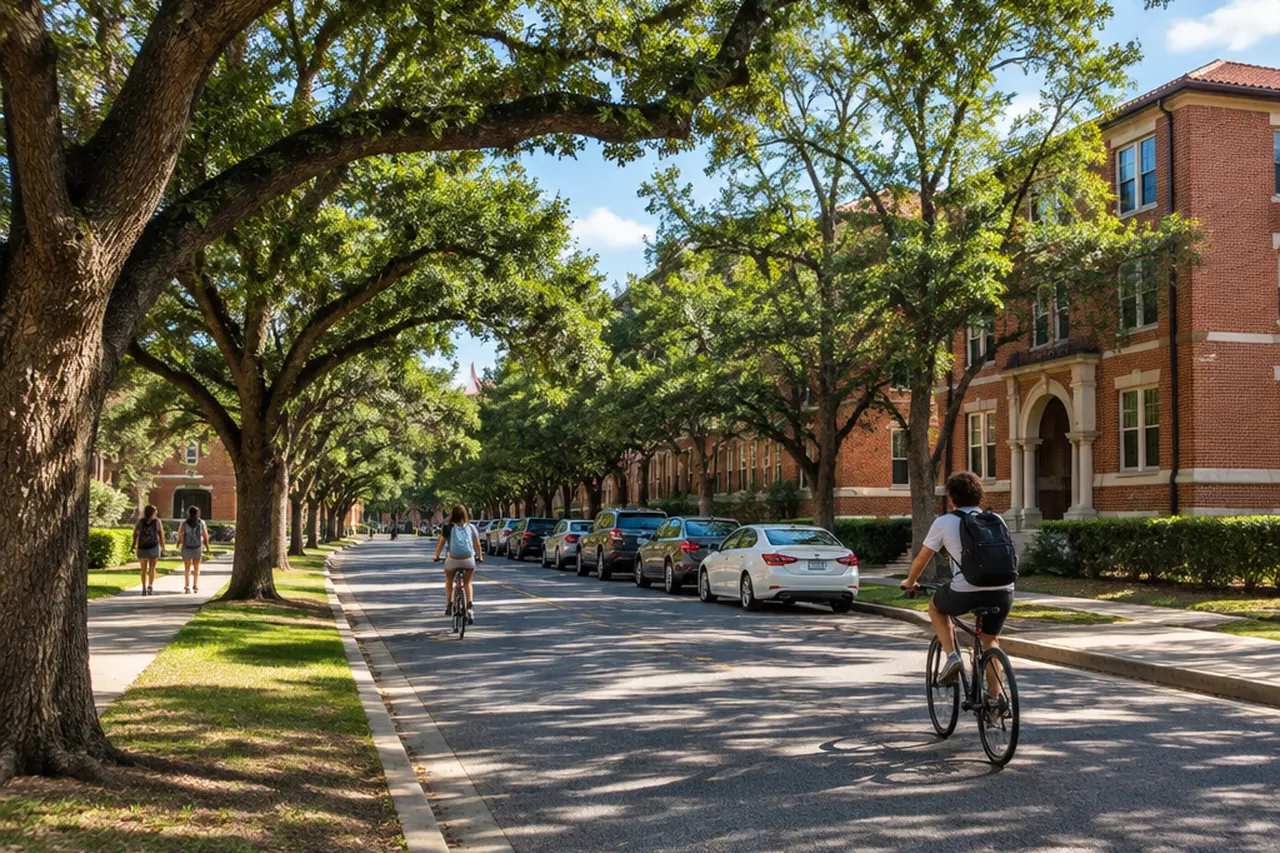
School mornings on College Hills Boulevard and Southwest Boulevard, Friday nights after a game, summer afternoons heading out to Lake Nasworthy: San Angelo's newest drivers are on the road at some of its busiest times. Teens are still learning to judge speed and gaps, and a car full of friends or a buzzing phone makes that harder.
This post covers both sides: being hit by a teen driver, and being the parent of a teen who was in a crash.
The rules a new Texas driver has to follow
Texas uses a graduated license for drivers under 18. For the first 12 months after a teen gets a provisional license, they generally:
- Can carry only one rider younger than 21 from outside the family.
- Must stay off the road from midnight until 5 a.m., with exceptions for a job, a school-related activity or a medical emergency.
On top of that, Transportation Code section 545.424 keeps anyone under 18 from using a cell phone or other wireless device behind the wheel, hands-free included, unless there is an emergency.
Breaking one of these rules does not automatically decide fault, but it can be strong evidence. A teen with three friends in the car at 1 a.m. who was texting will have a hard time arguing they were driving carefully. Our guide to Texas car accident laws covers the broader traffic rules.
Parents are not automatically liable
A common belief is that parents are always responsible for their child's crash. In Texas, that is generally not how it works. A parent does not become personally liable just because their teenager caused a wreck. Usually, the claim runs against the teen as the driver, and the family's auto insurance responds.
A parent may face personal liability in a few narrower situations:
- Negligent entrustment. If an owner lets someone drive while knowing, or having reason to know, the driver is unlicensed, reckless or incompetent, the owner can be liable for a crash that results. A parent who hands the keys to a teen with no license, or one with a string of recent wrecks and tickets, may fall into this.
- The parent's own carelessness. For example, supplying alcohol to a teen who then drives.
- The teen was driving for the parent's business. Then the business side of the story may matter.
Texas also has a separate parental liability law for a child's willful or malicious conduct, with limits on the amount. Ordinary driving mistakes are not usually handled that way.
Whose insurance pays
- The family's policy on the car the teen was driving usually covers them as a household member or permitted driver. Its liability coverage pays the people the teen injured, up to its limits.
- If the teen was driving a friend's car, the car owner's policy is usually first in line, and the family's policy may add coverage after it.
- If the at-fault teen's coverage is too small, the injured person's own underinsured motorist coverage may help.
- If your teen was hurt, your PIP coverage generally helps with medical bills regardless of fault.
Our guide to insurance claims explains how claims usually move with each company.
If your teen was the one injured
When a minor is hurt, the claim has two parts. The teen has a claim for their own pain and lasting effects. The parents usually have a claim for the medical bills they paid or owe on the child's behalf. The deadlines are not the same: a minor's own two-year clock generally starts running on their 18th birthday, while the parents' claim for medical expenses may follow a different clock. Do not assume you have years.
Settling a minor's claim also has an extra step. A child cannot sign a release that binds them, so a judge commonly has to sign off before a minor's claim is resolved. The judge may appoint someone to look out for the child's interests and may require the money to be held until the child turns 18. That protects the teen, but it adds time.
If your teen was a passenger in a friend's car, or a student riding with someone from Angelo State or a local high school, see our post on college student crashes, which covers some of the same questions.
If a teen hit you
Be patient and calm; the other driver may be terrified. Get their name, the car owner's name, the insurance card and a parent's phone number. Ask if anyone else was in the car. Call police if anyone is hurt or a car cannot be driven, and photograph everything. Then follow the rest of our what to do after a car accident checklist.
Getting help
Teen driver claims can involve several policies, minors' settlement rules and questions about who knew what. An independent Texas injury attorney can review yours for free. Call (325) 292-0499 or start a free case review.
Sources
Questions people ask
Are parents liable when their teen causes a car accident in Texas?
Not automatically. Parents usually become personally liable only in narrower situations, such as negligent entrustment or their own careless conduct. In most crashes, the family's auto insurance responds to the claim against the teen driver.
What are the Texas provisional license restrictions?
During the first year with a provisional license, a teen generally can have only one rider younger than 21 from outside the family and must stay off the road from midnight until 5 a.m., with exceptions for a job, school activities or a medical emergency. Separately, anyone under 18 is barred from using a phone behind the wheel except in an emergency.
Does a court have to approve a settlement for my injured teen?
Often, yes. Because a minor cannot sign a binding release, settlements for children commonly go before a judge for approval, and the money may be held until the child turns 18.
Keep reading
Free · about a minute
Find out if you have a case
Answer five quick questions and an independent San Angelo-area injury attorney's office will review your crash at no cost.
Prefer to talk? Call (325) 292-0499